Vascular Medicine and Surgery at Mass General Brigham
833-642-2863
Leading vascular care at Mass General Brigham
The circulatory system is complex and is integral to other systems within the body. Treating vascular disease requires input from multiple medical specialties. Mass General Brigham is home to one of the only multidisciplinary teams in the country with expertise in every aspect of vascular disease.
Our team is here to support your recovery and long-term vascular health.
Part of the Heart and Vascular Institute
Our approach to vascular care
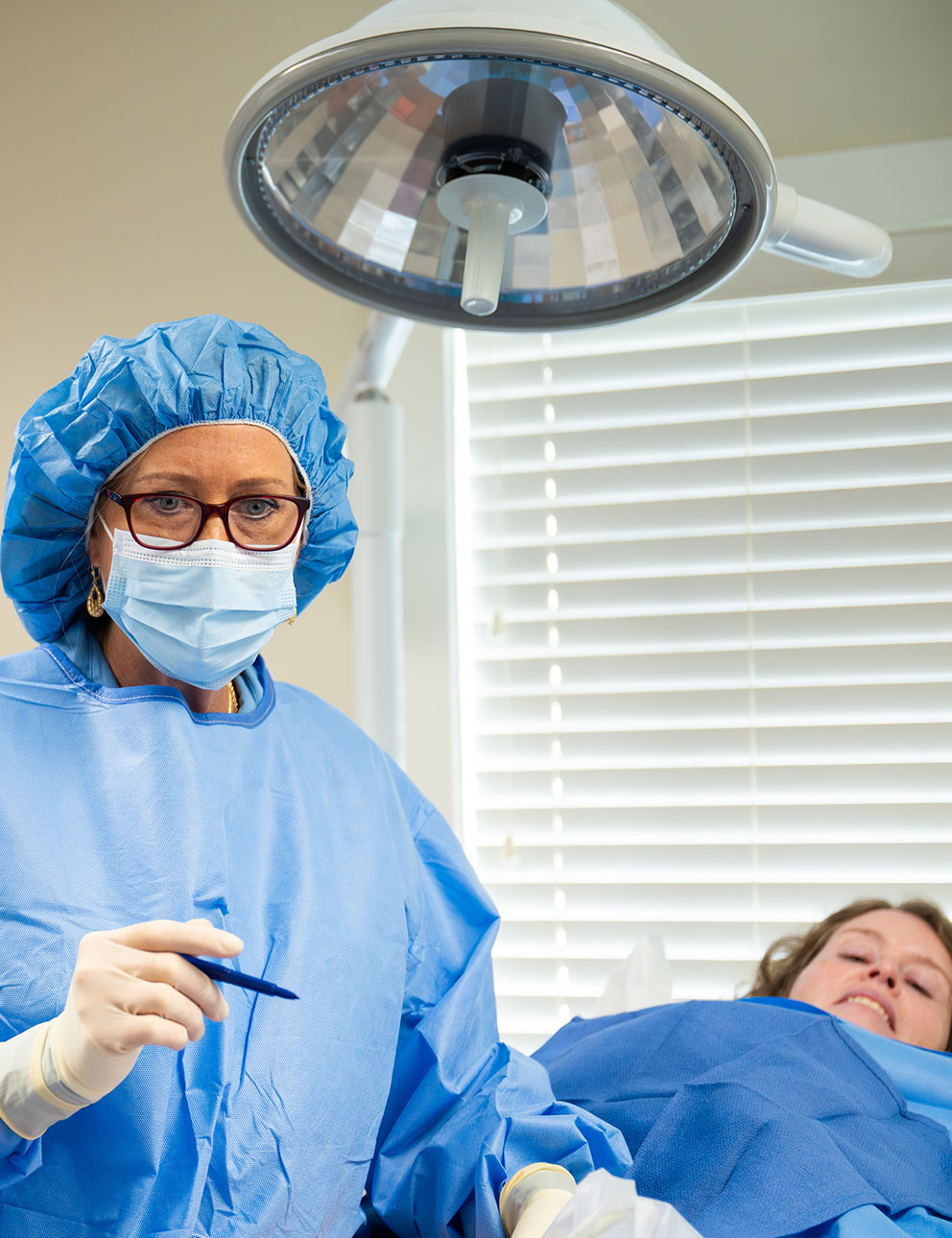
Treating vascular disease requires input from multiple medical specialties.
Mass General Brigham is home to one of the only multidisciplinary teams in the country with expertise in every aspect of vascular disease. Our team includes:
- Vascular and endovascular surgeons
- Vascular medicine specialists
- Cardiac surgeons
- Cardiologists
- Specialized nurses
- Researchers
- Educators
We use state-of-the-art imaging technology to quickly and accurately diagnose vascular diseases.
Once you’ve been diagnosed, we help you understand your condition and treatment options, which can include:
- Medication management
- Minimally invasive (endovascular) therapies
- Conventional open surgery
If your treatment goes beyond medication, our team offers conventional open vascular surgery options and endovascular procedures designed to reduce recovery time and improve outcomes. Our surgeons and interventionalists are highly experienced in all available vascular procedures.
Vascular conditions we treat
- Abdominal Aortic Aneurysm
- Carotid Artery Disease
- Deep Vein Thrombosis (DVT)
- Peripheral Artery Disease (PAD)
- Pulmonary Embolism
- Superficial Thrombophlebitis
- Varicose Veins
- Leg Swelling
- Venous Ulcers
- Aortic Dissection
- Chronic Venous Insufficiency
- Renal Artery Disease
- Thoracic Outlet Syndrome
- Median Arcuate Ligament Syndrome
- Peripheral Aneurysm
- Vasculitis and Venous Disease
- Lymphedema
- Abdominal Aortic Aneurysm Repair
- Endovascular Repair of an Abdominal Aortic Aneurysm (AAA)
- Endovenous Laser Varicose Vein Surgery
- Femoral Popliteal Bypass Surgery
- Peripheral Arterial Thrombolysis
- Peripheral Venous Thrombolysis (Clot-Busting)
- Vein Removal
- Venogram
- Renal Angioplasty and Stenting
- Carotid Angioplasty and Stenting
- Sclerotherapy
- Surgical Thrombectomy
- Arterial Endarterectomy
- Arterial Bypass Surgery
- Dialysis Access
- Endovascular Aortic Aneurysm Repair
- Endovenous Ablation
- Venous Ligation
Our heart and vascular specialists

Find a vascular specialist
Heart and vascular care near you

View vascular care locations
Learn about our cardiovascular research
Patient story
Research-driven care transforms outcome for patient facing leg amputation

Read John's story
Frequently asked questions about vascular medicine and surgery
At Mass General Brigham Heart and Vascular, heart care and vascular care are closely related, but they focus on different parts of the circulatory system. While our team works together to provide comprehensive care, some focus specifically on heart conditions, while others specialize in vascular health.
Heart care
Heart care focuses on conditions that directly affect the heart, such as:
- Coronary artery disease (CAD)
- Heart attacks
- Heart failure
- Arrhythmias
- Valve disorders
Our heart care team includes cardiologists and cardiac surgeons who provide treatments like:
- Medication
- Pacemakers and other implantable devices
- Catheter-based interventions (angioplasty, stents, some valve repairs)
- Open-heart surgery (e.g., bypass surgery, some valve repair)
Vascular care
Vascular care focuses on the blood vessels outside the heart and brain, including the arteries and aorta, the veins, and lymphatic vessels. Our vascular care team treats conditions such as:
- Peripheral artery disease (PAD)
- Deep vein thrombosis (DVT)
- Varicose veins
- Aneurysms
- Carotid artery disease
Vascular specialists and surgeons offer treatment options that include:
- Medical management
- Minimally invasive procedures (e.g., angioplasty, stenting, sclerotherapy)
- Surgical interventions (e.g., bypass surgery, aneurysm repair)
Vascular medicine focuses on the diagnosis, prevention, and non-surgical treatment of vascular diseases using medications, lifestyle changes, and minimally invasive procedures like angioplasty or stenting. It addresses conditions such as peripheral artery disease, deep vein thrombosis, and chronic venous insufficiency (CVI) through medical management and interventions that do not require open surgery.
Vascular surgery, on the other hand, involves operative procedures to repair, remove, or bypass diseased blood vessels. It is used for more advanced vascular conditions, including aneurysm repair, carotid endarterectomy, bypass surgery, and vein stripping. While vascular medicine aims to manage and slow disease progression, vascular surgery is necessary for cases requiring structural repair or reconstruction.
Vascular disease is treated in several ways, including lifestyle modifications like wearing compression socks, prescription medications such as anticoagulants or blood thinners, and surgery.
At Mass General Brigham, our vascular team includes experts in both conventional open surgery and minimally invasive endovascular procedures. Both provide excellent results. The difference is in how the surgeon accesses your blood vessels:
- Vascular surgery is an open surgery that involves incisions and anesthesia.
- Endovascular therapy is a minimally invasive approach to treat a specific problem inside the blood vessels. Instead of making a large cut, the doctor accesses the vessel through a small puncture in the vessel wall.
The term vascular refers to anything related to blood vessels, and endo- means “inside.” The tools used in endovascular therapies enter the body and the blood vessels through a tiny plastic tube, called a catheter, that is typically inserted into a vessel in the groin area.
Heart and vascular clinical trials and research

Explore our heart and vascular research
Search clinical trials
Search open clinical trials for heart and vascular conditions
Contact the Heart and Vascular Institute
833-642-2863
International Patient Services
Contact information for international patients