Kraft Prize for Excellence and Innovation in Community Health
The Kraft Prize for Excellence and Innovation in Community Health recognizes and celebrates transformative organizations, programs, or innovations that are making a measurable impact on health outcomes and have the potential to serve as scalable models for improving community health.
The winner will demonstrate a clear and measurable impact on community health in at least one of the following priority outcomes:
- Cancer
- Cardiometabolic disease
- Maternal health
- Substance use disorder
Innovations can include efforts that address access and quality of care or social factors such as food insecurity, economic mobility, or housing stability that impact these health outcomes.
About the Kraft Prize
Prize: One exceptional program or innovation will receive $100,000 and the opportunity to present at the Mass General Brigham World Medical Innovation Forum, and tailored support and mentorship through the Mass General Brigham Innovation ecosystem.
Application: The application period for the 2026 Kraft Prize is now closed.
We encourage applications from:
- Healthcare professionals
- Non-profit organizations
- Private-sector leaders, innovators, and inventors
- Applicants must be based in the U.S.
Applicants must apply through the application portal and submit two letters of recommendation from community partners or organizations. Additionally, at least one member of the winning team must attend and present at the 2026 World Medical Innovation Forum on September 22-23, 2026, in Boston, MA.
All applicants will be evaluated and selected in an objective and nondiscriminatory manner. There are no limitations based on race, gender, creed, religion, national origin, or sexual orientation.
Learn more about eligibility, application requirements, and opportunities for the winning team here.
* The prize money and the value of other benefits awarded may be considered taxable income to the award recipients. Awardees are encouraged to contact their tax professional or the IRS with any questions; Massachusetts General Brigham and the Kraft Center for Community Health cannot provide tax or legal advice.
Meet the 2026 Kraft Prize winners
Kraft Prize winner: Oben Health
Oben Health is an AI-enabled platform working to reduce cardiovascular disparities, hypertension, and heart disease in underserved communities. By transforming neighborhood barbershops and beauty salons into trusted health screening hubs, Oben brings preventive care directly into the community and creates a direct pathway from screening to diagnosis and treatment. Led by founder and CEO, Peter Njongwe, Oben Health’s technology-enabled model leverages AI to address persistent gaps in access while creating a scalable approach that can be adapted across populations, settings and health conditions.
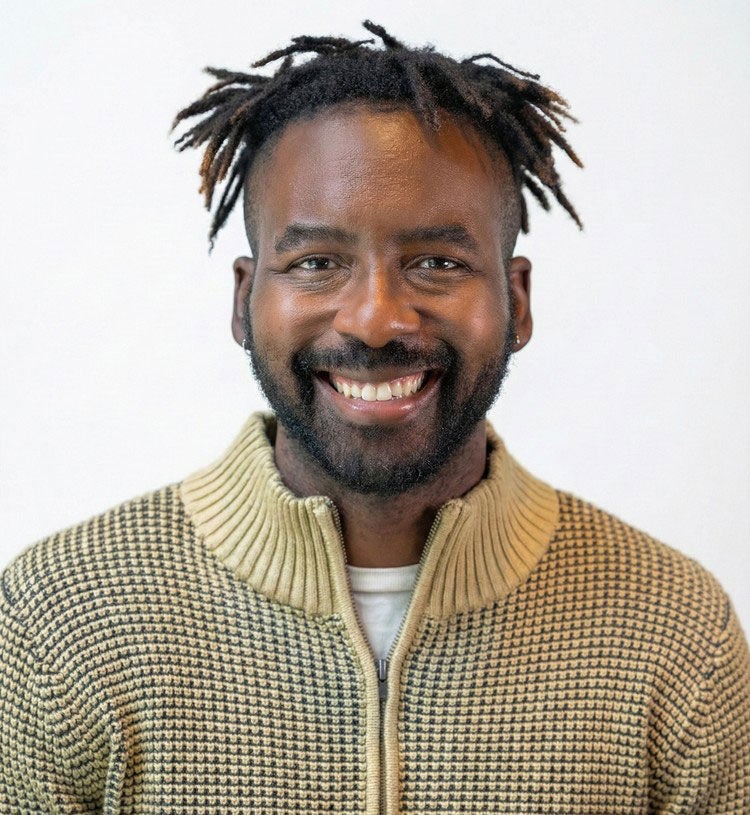
Peter Njongwe
Kraft Impact Accelerator Award: Malama Health
Malama Health is a digital maternal platform that was built to reduce birth complications and advance health equity for high-risk, Medicaid-insured individuals. Led by co-founder and CEO, Mika Eddy, Malama combines remote biometric monitoring with a tech-enabled, managed network of community-based doulas, delivering continuous and culturally competent care from early pregnancy through one year postpartum.

Mika Eddy
Frequently asked questions
Eligibility is open to U.S.-based:
- Non-profit and private-sector leaders
- Community health practitioners
- Healthcare professionals
- Non-profit organizations
- Innovators and inventors
The review committee will carefully consider the impact of each applicant’s innovative work, focusing on measurable health outcomes. For additional eligibility questions, please contact the Kraft Center for Community Health.
About the Kraft Center for Community Health
The Kraft Center for Community Health at Mass General Brigham is dedicated to expanding access to high-quality, affordable healthcare for medically underserved patients and communities. Established in 2011 through a generous donation from Robert Kraft, the Center aims to catalyze innovative solutions to real-world community health problems, implement these solutions locally, and scale them to improve health outcomes for disadvantaged populations across the country.