false

Cancer Genetics Program

If you have a family history of cancer, genetic testing may help you understand your risk. Our certified, licensed genetic counselors work with you to gather and explain information so you can make informed decisions about your health and care.
primary
phone
855-776-4224

Call the Mass General Brigham Cancer Institute at 855-776-4224

8557764224

Personalized genetic testing and counseling

At the Mass General Brigham Cancer Institute, we offer testing, screening, and risk assessment. Our Cancer Genetics Program and our Cancer Early Detection and Diagnostics Program work together to guide decisions about prevention, early detection, and care.

You may benefit from genetic counseling if you have a strong family history of cancer, were diagnosed at a young age, have had more than one cancer, or have a known hereditary cancer syndrome in your family.

Areas of genetic expertise and focus

We provide hereditary cancer risk assessment, genetic testing, education, and coordinated screening across a range of cancer types, including:

  • Breast and ovarian cancer genetics – inherited breast and ovarian cancer risk
  • Endocrine tumor genetics – hereditary endocrine tumor syndromes
  • Hereditary hematologic malignancies – inherited blood cancer risk
  • Gastrointestinal cancer genetics – hereditary colon and GI cancer risk
  • Lynch syndrome care – lifelong management for Lynch syndrome
  • Melanoma genetics – hereditary melanoma risk
  • Neuro-oncology genetics – inherited brain and nerve tumors
  • Prostate cancer genetics – hereditary prostate cancer risk

Part of the Cancer Institute

Our approach to care

We understand that genetic testing for cancer can feel overwhelming. Our team approaches every visit with empathy, taking time to listen, answer questions, and support you through each step of the process.
Multispecialty, comprehensive care
As part of the Mass General Brigham Cancer Institute, our Cancer Genetics Program works closely with specialists across the system, including the Cancer Early Detection and Diagnostics Program. Genetic counselors collaborate with physicians and care teams to coordinate testing, interpret results, and support personalized screening, prevention, and treatment planning.
Understanding genetic test results and what they mean

We provide testing for various cancer risk genes and syndromes, including:

  • BRCA1- and BRCA2-related hereditary breast and ovarian cancer
  • Lynch syndrome
  • TP53-related Li-Fraumeni syndrome
  • Hereditary melanoma syndromes
  • Inherited endocrine tumor syndromes

You receive clear explanations and resources to help you understand how findings may inform screening, prevention, and care decisions.

What happens after genetic testing

If you learn you have a high genetic risk of cancer, your care options may include:

  • Genetic counseling and testing for family members
  • Ongoing follow-up and risk monitoring
  • Personalized screening recommendations
  • Preventive strategies, including risk-reducing surgery when appropriate
  • Referral for cancer treatment if a diagnosis is identified

Our cancer specialists
At every step, your care is guided by a multidisciplinary team of cancer specialists. This may include medical, surgical, and radiation oncology physicians, advanced practice providers, radiologists, pathologists, oncology nurses, nurse navigators, and more. You may also work with dietitians, genetic counselors, social workers, and mental health professionals.
An illustration of a care team.
primary
phone
855-776-4224

Call the Mass General Brigham Cancer Institute

8557764224

Patient story

Saved by genetic testing and early intervention
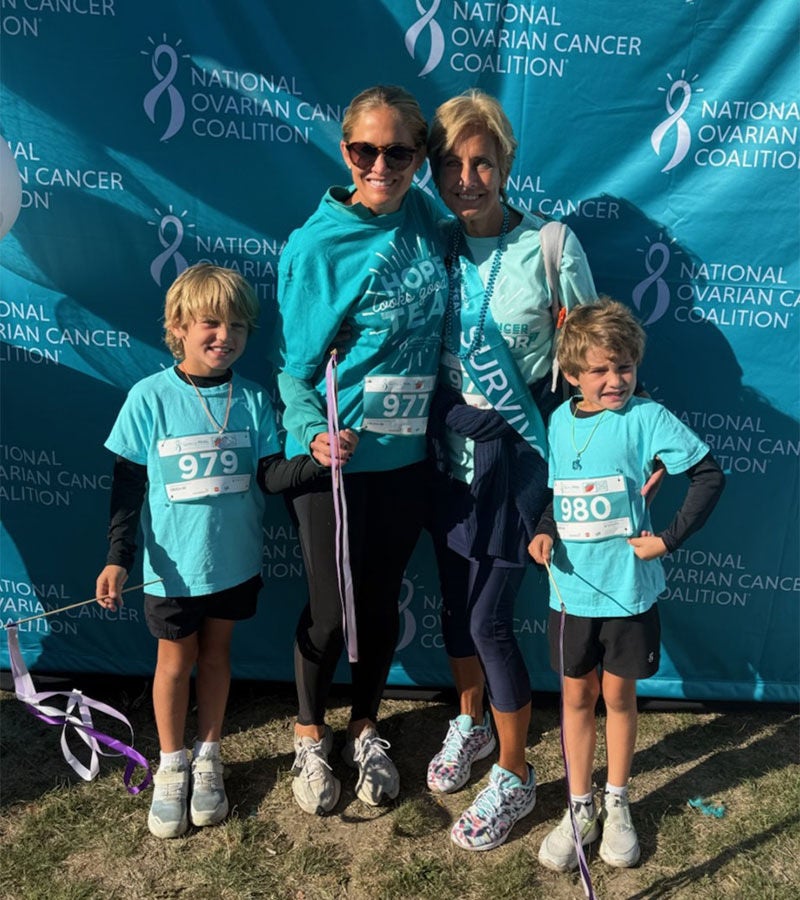
Genetic testing after a breast cancer diagnosis and prompt, expert treatment allowed Gail Cooper to beat two cancers at once.
Two adults and two children pose together in teal shirts at a National Ovarian Cancer Coalition event.
tertiary
internal-arrow
Read Gail's story
/content/unified-xwalk/en/patient-stories/genetic-testing-breast-ovarian-cancer-gail-cooper

Cancer clinical trials and research

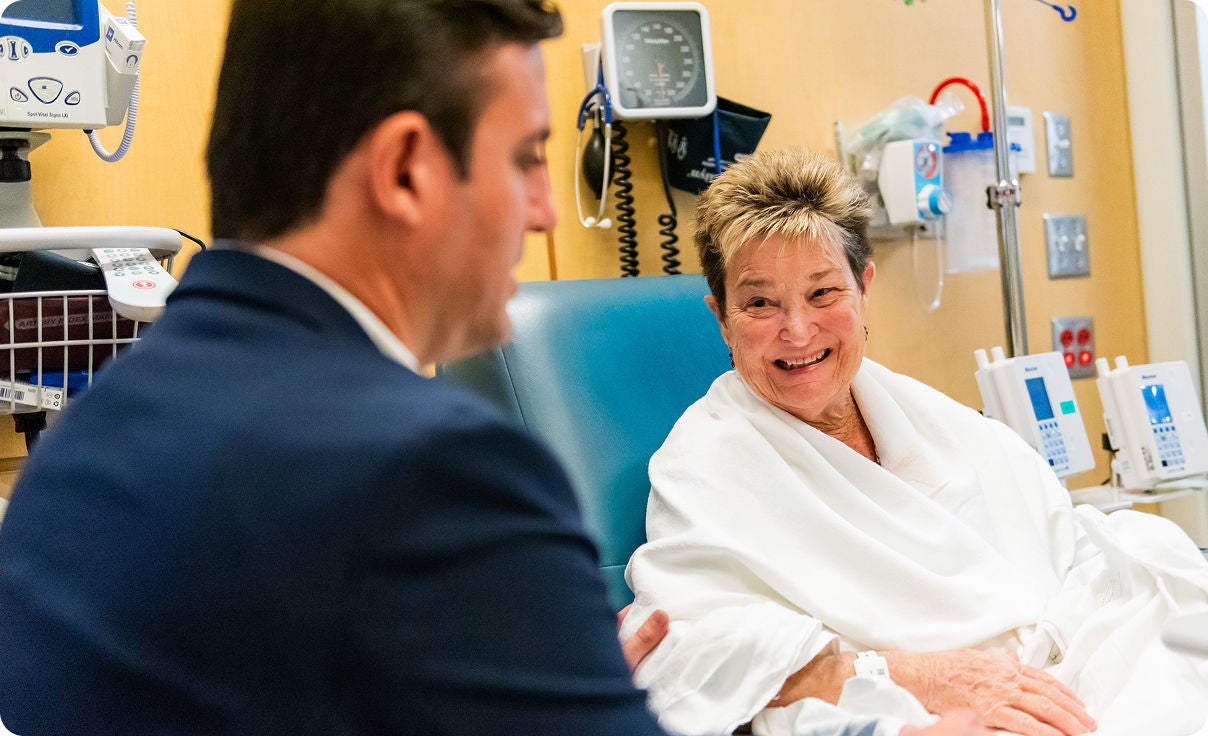
Our research is shaping the future of cancer care. We offer access to clinical trials and emerging therapies, including treatments that may not yet be widely available. Eligibility depends on a person’s diagnosis, treatment history, and more. Explore our research and clinical trials or talk with your care team to learn about available options.
A medical professional speaks with a patient seated in a hospital chair.
tertiary
external
Explore our cancer research

Learn how cancer research informs patient care

https://research.massgeneralbrigham.org/en/institutes-centers/cancer-institute-research
tertiary
external
Search clinical trials
https://research.massgeneralbrigham.org/en/institutes-centers/cancer-institute-research/cancer-clinical-trials

Patient resources and support

We offer a range of resources to support patients and caregivers before, during, and after cancer treatment. These services address physical, emotional, and practical needs and are available alongside your medical care.
tertiary
internal-arrow
View all patient resources
/content/unified-xwalk/en/services/cancer/resources

Contact the Cancer Institute

Call us to speak with a team member who can help you understand your options and guide you to the care that is right for you. With locations throughout New England and support for patients traveling from outside the United States, we make it easier to access coordinated, expert care.
primary
phone
855-776-4224

Call the Mass General Brigham Cancer Institute at 855-776-4224

8557764224
secondary
internal
International Patient Services

Contact International Patient Services

/content/unified-xwalk/en/patients-visitors/international/for-patients/contact