Melanoma Risk and Prevention
National leader in early melanoma detection and care
Our approach to early melanoma management and detection
We provide screening and preventive care for people at high risk of developing melanoma. Risk factors include:
- Extensive history of ultraviolet (UV) exposure from the sun or artificial sources like tanning beds
- Family or personal history of melanoma
- Having unusual or irregular moles, known as atypical/dysplastic moles
- Having pigmented birthmarks, known as congenital moles
- Known changes (mutations) to genes, such as BRCA2 and CDKN2A
- Tendency to burn or freckle
Patients with early-stage melanoma may receive care from a team that includes a dermatologist, cancer surgeon, and melanoma pathologist (lab specialist). We offer:
- High-risk care that focuses on the initial surgical treatment and the first five years of post-melanoma surveillance
- Lower-risk (step-down) care, providing post-melanoma surveillance for up to 10 years
- Ongoing care beyond 10 years’ surveillance for patients at highest risk for melanoma
- Collaborative care with medical, surgical, and radiation oncologists (cancer specialists) who treat advanced-stage melanoma
Our providers use artificial intelligence (AI)-assisted total body photography with mole mapping when appropriate. This technology may help to:
- Detect melanoma at an earlier stage, leading to a greater chance of treatment success
- Monitor your skin and moles for changes that may indicate melanoma
- Provide a before-and-after image comparison and analysis of new or changing moles or lesions
- Find melanomas and other skin cancers that don’t look like typical cancers
- Reduce the need for biopsies or invasive surgery for spots that don’t change over time
Melanoma conditions and treatments
Melanoma clinical trials and research
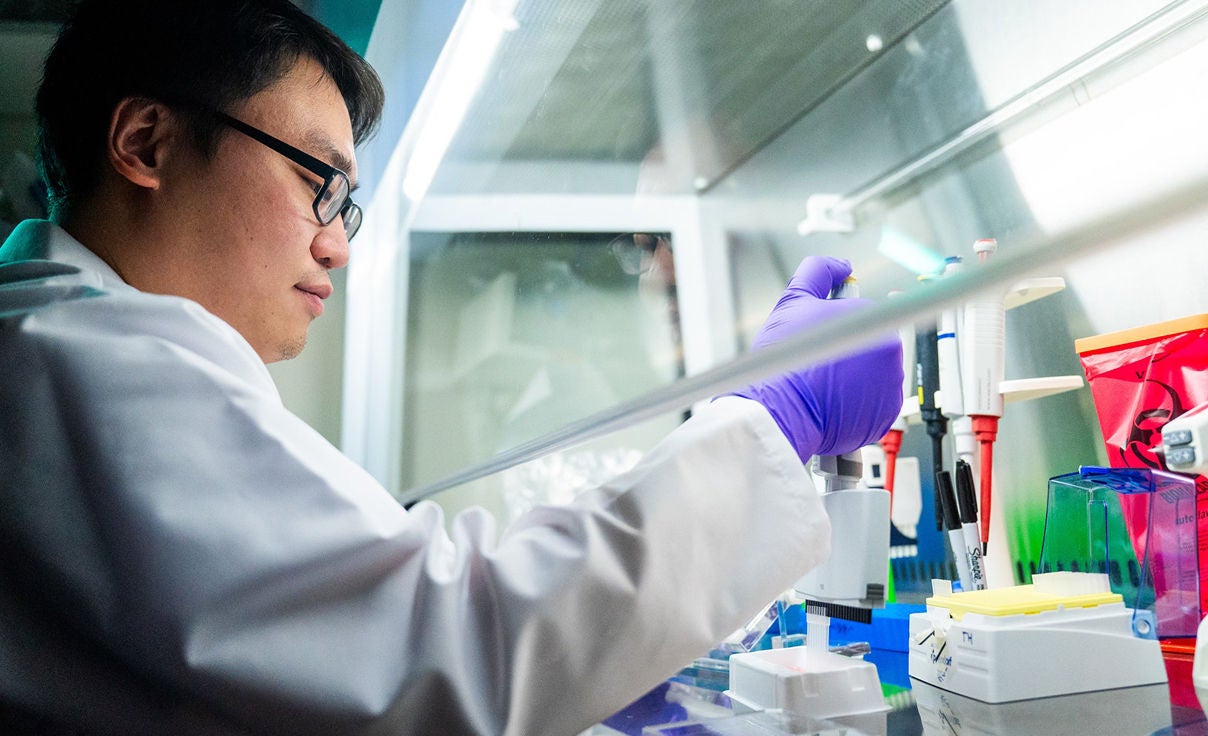
Our experts are committed to achieving breakthroughs in melanoma research. Through the years, our research has shown various patterns of mutations that occur in tumors, leading to melanoma growth. We work closely with scientists in computer science, AI, imaging technology, and other fields to improve the early detection of melanoma.
Our researchers were among the first to describe the:
• Association between sun exposure and cutaneous (skin) melanoma
• Different cutaneous melanoma subtypes
• Use of sentinel lymph node biopsies in the staging of melanoma patients
• Various factors that predict outcome from proteins or molecules in tumors (histological markers)
Contact Melanoma Risk and Prevention
Brigham and Women's Hospital
617-525-9496
Massachusetts General Hospital
617-726-2914
Brigham and Women's Faulkner Hospital
617-983-7324
Martha's Vineyard Hospital
508-693-8183
Nantucket Cottage Hospital
508-825-1000