Gastrointestinal Cancer Care

855-776-4224
Call the Mass General Brigham Cancer Institute
Leading experience in gastrointestinal cancer treatment
At the Mass General Brigham Cancer Institute, our GI cancer specialists treat more than 10,000 patients each year with all types of GI cancers, including esophageal, stomach, liver, pancreatic, biliary, colorectal and anal cancers. We offer the most advanced and effective treatment options available, including specialized surgery and radiation therapy, and access to novel clinical trials.
We have a long history of clinical excellence and research-infused care. Since 1976, our GI radiation oncology service has been one of the country’s longest running and most progressive programs of its kind, helping to advance how GI cancers are treated today.
Mass General Brigham’s approach to cancer care
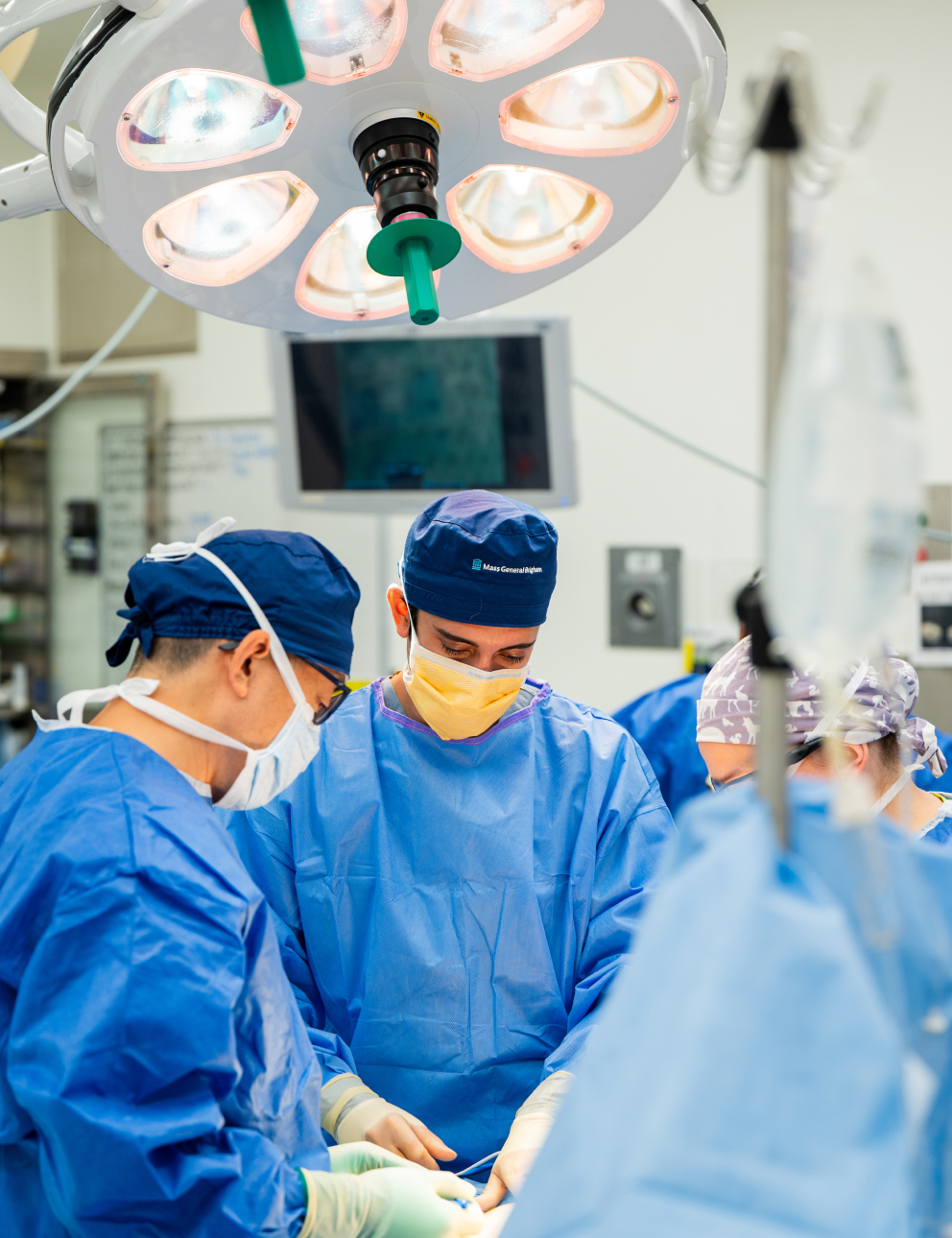
Your care team may include:
- Gastroenterologists
- Interventional radiologists
- Medical oncologists
- Radiation oncologists
- Surgical oncologists
- Oncology nurses and nurse practitioners
- Dieticians
- Oncology psychiatrists and social workers
- Palliative care providers
- Pathologists
- Diagnostic radiologists
Our GI cancer specialists meet regularly in tumor boards and conferences to discuss each patient’s diagnosis, treatment plan, and progress. This collaboration supports informed decision-making and personalized care as part of a multidisciplinary approach for each patient.
We offer highly targeted radiation treatments designed to treat cancer while limiting exposure to surrounding healthy tissue, including:
- Intraoperative radiation therapy: Radiation delivered during surgery to treat remaining cancer cells.
- Linear accelerator-based fractional radiation therapy: Customized radiation beams that precisely target tumors over a series of treatments.
- Online adaptive radiotherapy: A type of radiation therapy that clinicians adjust in real time based on daily changes in a patient’s anatomy. This approach allows for more precise targeting of tumors while helping to reduce side effects.
- Proton therapy: An advanced form of radiation that uses high-energy proton particles instead of X-rays to deliver precise treatment.
- Stereotactic body radiation therapy: High-dose radiation delivered to specific areas in fewer treatment sessions.
Our surgical oncologists focus exclusively on treating GI cancers and use advanced techniques, including robot-assisted surgery. This minimally invasive approach is more precise and uses smaller incisions. For patients, this often means a lower risk of complications and a faster recovery.
For patients with advanced disease, our surgeons offer cytoreductive surgery and multivisceral resections, tailored to each individual patient.
Gastrointestinal cancer conditions and treatments
- Stomach Cancer
- Cirrhosis
- Bile Duct Cancer
- Gallbladder Cancer
- Ampullary Cancer
- Pancreatic Neuroendocrine Tumor
- Carcinoid Tumor
- Anal Cancer
- Colectomy
- Targeted Therapy for Cancer
- Lumpectomy
- Bowel Resection
- Endoscopic Submucosal Dissection (ESD)
- Endoscopic Ultrasound (EUS)
- Upper GI Endoscopy
- Endoscopic Retrograde Cholangiopancreatography (ERCP)
- Immunotherapy for Cancer Monoclonal Antibodies (mAbs)
- Colonoscopy
Patient story
From a diagnosis of esophageal cancer to a walk down the aisle

Read Mike's story
Cancer clinical trials and research
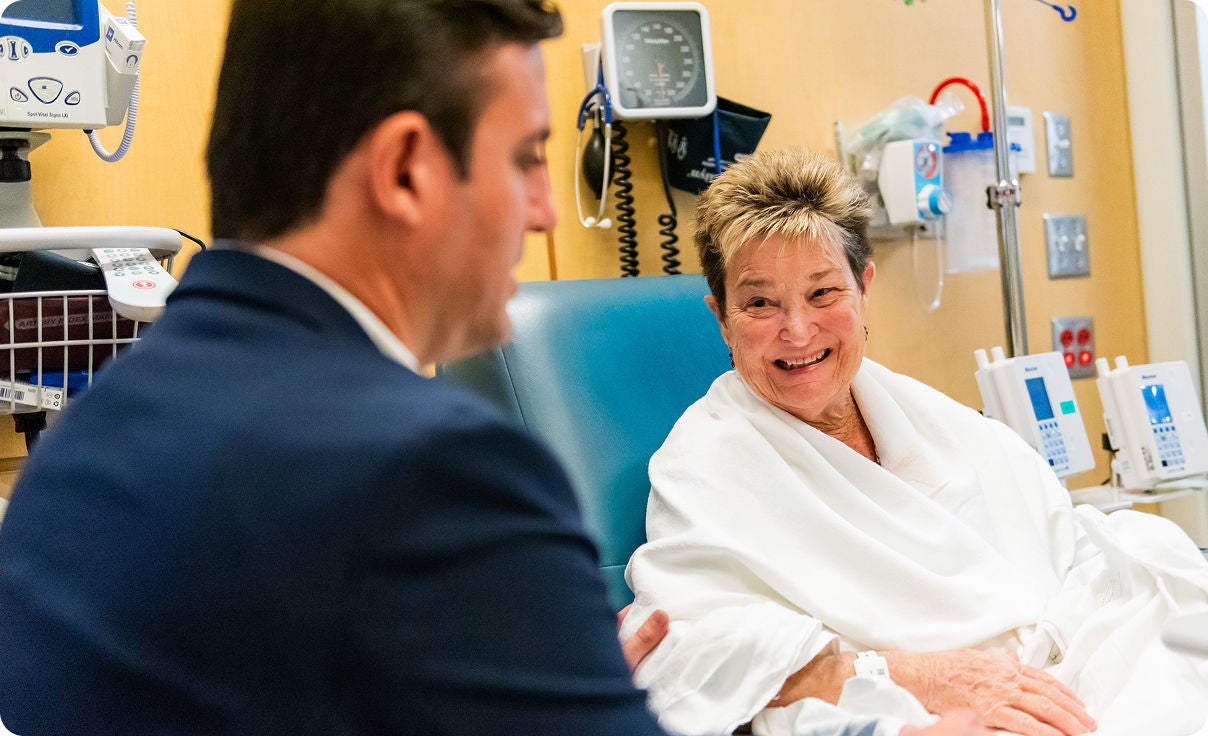
Explore our cancer research
Learn how cancer research informs patient care
Search clinical trials
Patient resources and support
View all patient resources
Contact the Cancer Institute
855-776-4224
Call the Mass General Brigham Cancer Institute
International Patient Services
Contact International Patient Services