Spine Care
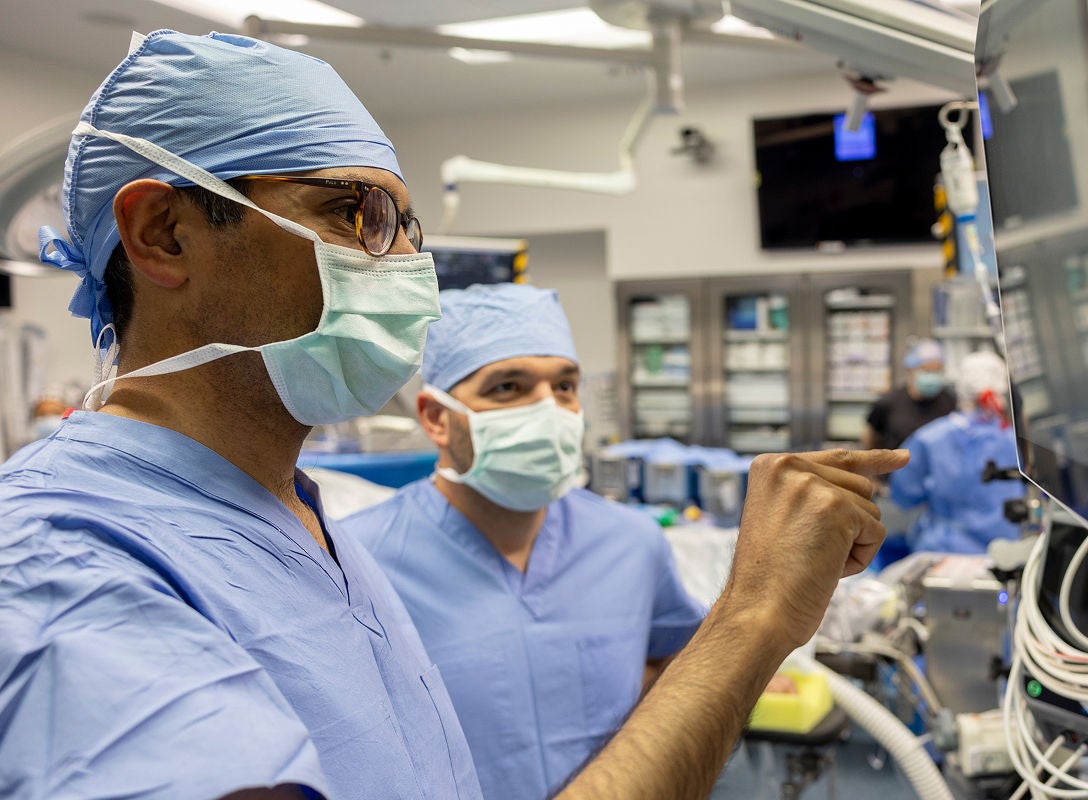
Advanced spine care for every patient
At Mass General Brigham, we provide comprehensive evaluation, diagnosis, and treatment for the full spectrum of spine and neck conditions. From common back pain to complex spinal disorders, our team works together to understand your needs, personalize your treatment, and support every step of your care.
Part of the Neuroscience Institute
Part of Orthopedics and Sports Medicine
Comprehensive services for spinal disorders
At Mass General Brigham, you receive coordinated care from spine specialists across orthopedics, neurosurgery, pain management, physical medicine and rehabilitation, and neurology. Our spine specialists combine advanced expertise with the latest surgical techniques to reduce pain, restore movement, and help you return to the activities you love.
Conditions we treat
Our specialists care for common and complex conditions affecting the spine, spinal cord, nerves, discs and surrounding structures.
Conditions we treat include:
-
Spine tumors
- Intradural spinal cord tumors, including meningioma and schwannoma
- Primary bone tumors of the spine such as chordoma and giant cell tumor
- Metastatic spinal tumors
-
Spine trauma, including spinal cord injury and spine fractures
-
Spinal cord compression
-
Degenerative disc disease
-
Spinal stenosis
-
Spinal vascular malformations
-
CSF leaks
Spinal restoration and rehabilitation
Not all spine problems require surgery. Many effective treatments are led by our spine physiatrists. These are physicians who specialize in non-surgical care for the spine, muscles, and nerves.
You may benefit from:
- Spinal cord stimulation
- Epidural steroid injections
- Facet blocks or ablations
- Kyphoplasty
- Physical therapy
Spine surgery
When surgery is the best option, our spine surgeons perform advanced procedures. When possible, we perform minimally invasive procedures through small incisions to help you heal faster.
Depending on your condition, your surgical options may include:
-
Decompression
- Discectomy
- Laminectomy
- Minimally invasive decompression
-
Spinal fusion
- Minimally invasive spinal fusion
-
Complex spinal reconstruction
- Deformity corrections
- Tumor resection and reconstruction
-
Motion-preserving spine surgery
- Disc arthroplasty
- Laminoplasty
Our approach to spine care
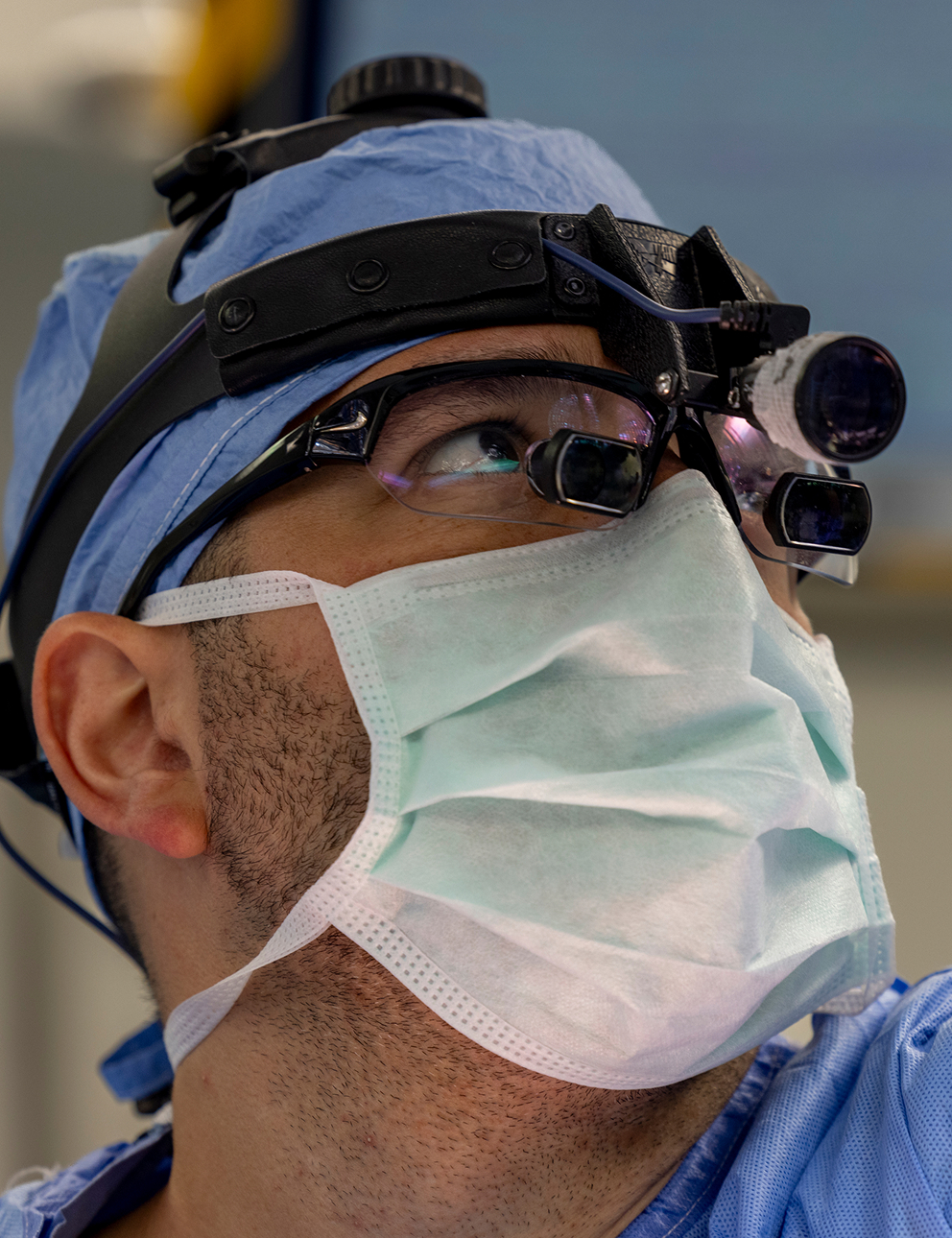
From your first consultation through recovery, we provide seamless, multidisciplinary care. Care team members may include:
- Neurologists
- Neurosurgeons
- Orthopedic spine surgeons
- Pain management experts and anesthesiologists
- Physical medicine and rehabilitation specialists
- Interventional radiologists
Because all of your care happens within Mass General Brigham, your providers share information seamlessly, helping you recover faster and easier.
Spine physiatrists are physicians who specialize in diagnosing and treating spine, muscle, and nerve conditions using nonsurgical approaches. They focus on reducing pain, improving mobility, and helping patients avoid or delay surgery when possible.
At Mass General Brigham, our physiatrists collaborate closely with orthopedic and neurosurgical spine specialists. They may recommend therapies such as:
- Targeted physical rehabilitation
- Image-guided spinal injections
- Nerve blocks
- Other minimally invasive procedures to relieve pain and restore function
Not all spine problems require surgery. Many effective treatments are led by our spine physiatrists. These are physicians who specialize in non-surgical care for the spine, muscles, and nerves.
You may benefit from:
- Physical therapy and rehabilitation to strengthen muscles and improve posture
- Image-guided injections or nerve blocks to reduce inflammation and pain
- Bracing or assistive devices for alignment and support
- Medications to relieve symptoms
- Activity modifications and ergonomic guidance to prevent re-injury
When surgery is the best option, our spine surgeons perform advanced procedures. When possible, we perform minimally invasive procedures through small incisions to help you heal faster.
The type of spine surgery you need depends on the diagnosis. We offer:
- Spinal decompression to take pressure off nerves
- Spinal fusion to stabilize the spine and ease nerve pain
- Motion-preserving surgery (disc arthroplasty) to replace a damaged disc with an artificial one
- Complex spinal reconstruction to correct spinal curvatures like scoliosis and other spinal problems
- Spinal tumor surgery to remove spinal cord and nerve sheath tumors
Some conditions require highly specialized care, such as:
- Scoliosis
- Spine tumors
- Persistent pain after spine treatment
In these cases, we coordinate care across specialties through multidisciplinary discussion boards so you can access the right expertise and supportive services in one system.
Our spine specialists

Find a spine surgery specialist
Spine clinical trials and research

Explore our neuroscience research
Learn how neuroscience research informs patient care
Search clinical trials
Search open clinical trials for neurological conditions
Explore our orthopedics research
Learn how orthopedic research informs patient care
Contact Spine Care
Orthopedics
Mass General Brigham: 617-732-9687
Massachusetts General Hospital Spine Center: 617-724-8636
Brigham and Women's Hospital: 617-732-5322
Mass General Brigham Medical Group Newton-Wellesley Hospital Spine Center: 617-243-5777
Wentworth-Douglass Hospital: 603-742-2007
Neurosurgery
Brigham and Women's Hospital: 617-732-6600
Massachusetts General Hospital: 617-726-2937