false

Peripheral Nerve Disorders Service

We diagnose and treat peripheral nerve injuries, tumors, and other conditions affecting the nerves that connect the brain and spinal cord to the rest of the body.

A person is seated at a desk with a laptop, holding their wrist with the opposite hand, possibly indicating discomfort or pain.

full-fill

Specialized peripheral nerve care

The Mass General Brigham Neuroscience Institute is home to some of the only centers in the Northeast focused on peripheral nerve surgery. Peripheral nerves carry sensory signals to the brain and spinal cord and motor signals back to the muscles, controlling movement as well as automatic functions like breathing, sweating, and digestion.

Our teams provide comprehensive diagnosis and treatment for peripheral nerve conditions, with a focus on restoring function and reducing pain.

center
tertiary
internal-arrow
Part of the Neuroscience Institute
/content/unified-xwalk/en/services/neuroscience

Our approach to peripheral nerve care
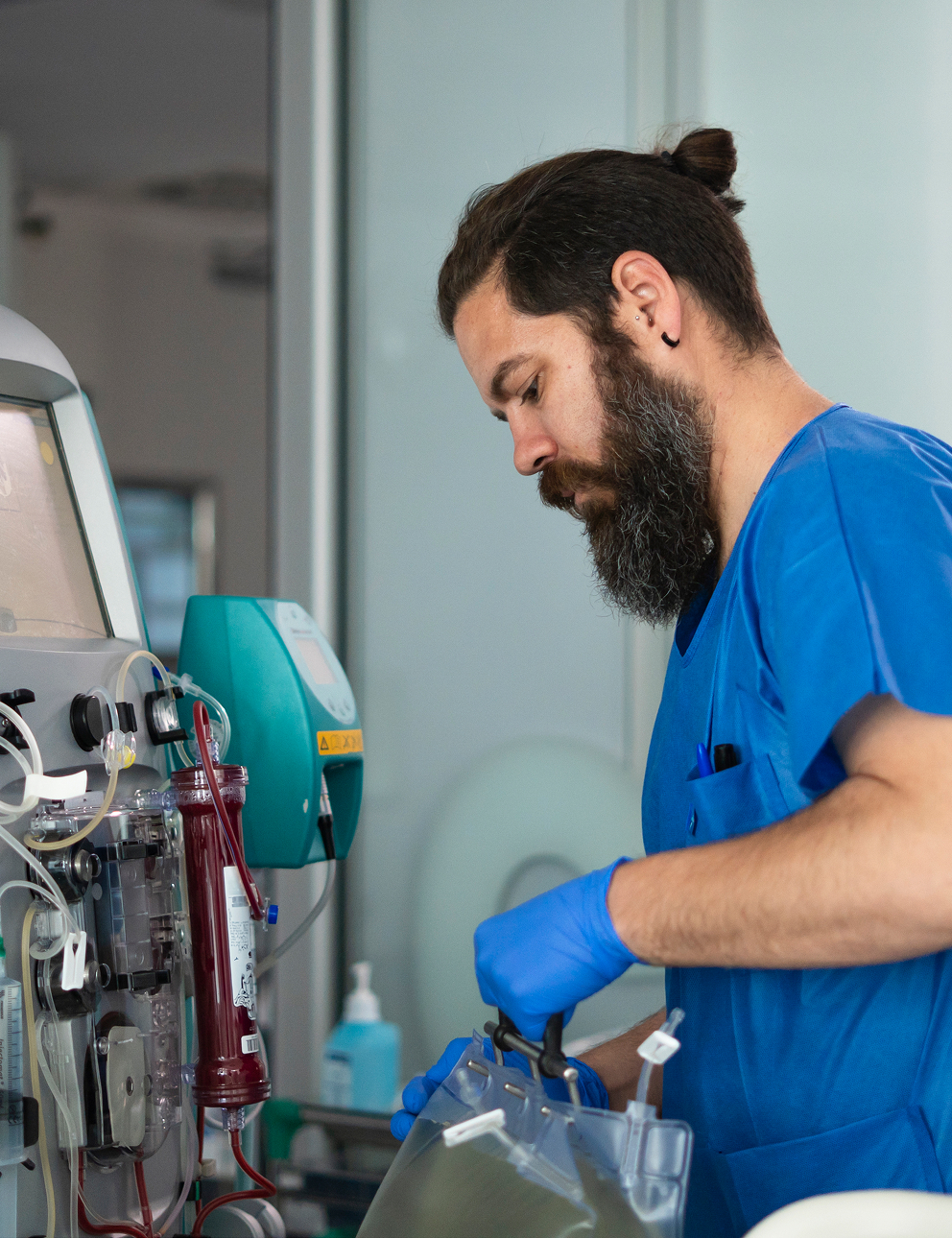
We provide specialized, coordinated care for peripheral nerve injuries and tumors.
Diagnosis and treatment planning

Your care begins with a thorough neurologic exam and may include additional testing, such as:

  • Imaging
  • Electrodiagnostic studies
  • Nerve biopsy

Findings guide a personalized treatment plan for you.

Coordinated, team-based care

Peripheral nerve care often involves multiple specialties. Your neurosurgeon works closely with:

  • Neurologists
  • Radiologists
  • Pathologists
  • Physical and occupational therapists
  • Orthopedic surgeons
  • Rehabilitation specialists

Together, the team develops a comprehensive plan that addresses treatment, recovery, and rehabilitation.

Restoring injured nerves
Some peripheral nerve injuries require surgery. Our surgeons treat nerve injuries throughout the body, including complex brachial plexus injuries and nerves damaged during prior surgery. We use advanced reconstruction techniques, including transferring healthy nerves from another part of the body to a damaged area to help restore movement and sensation.
Removing nerve tumors

Peripheral nerve tumors grow on or around nerves, making surgical removal especially delicate. Our multidisciplinary team has extensive experience removing benign and malignant nerve tumors while protecting nerve function. These include:

  • Neurofibromas related to neurofibromatosis
  • Schwannomas (nerve sheath tumors)
  • Malignant peripheral nerve sheath tumors

Peripheral nerve disorders we treat

We diagnose and treat a wide range of peripheral nerve conditions with expertise.

Our neuroscience specialists

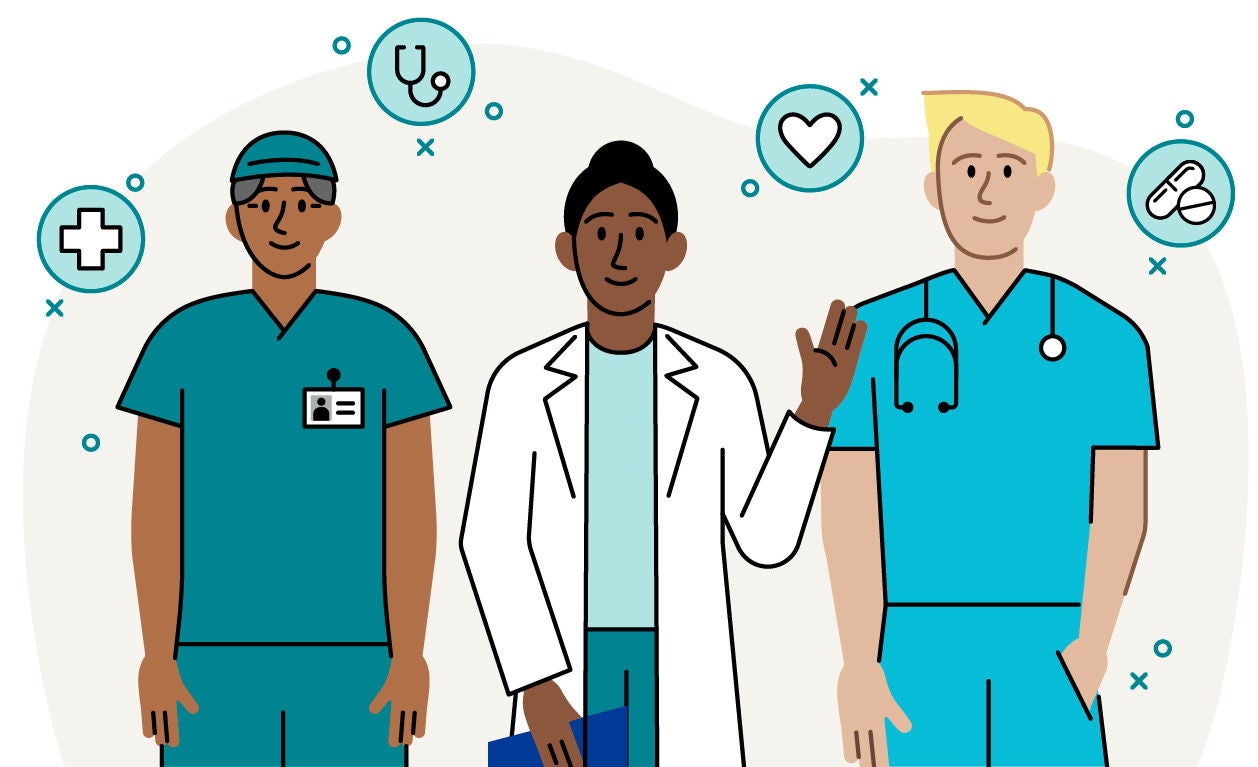
Your care is coordinated by a team of specialists in neurology, neurosurgery, advanced brain imaging, and nursing. Depending on your condition, your care team may also include experts in neuropsychology, rehabilitation, genetics, social work, and mental health. This team works together to understand your neurological condition from every angle and develop a care plan tailored to you.
An illustration of a care team.

Neuroscience clinical trials and research
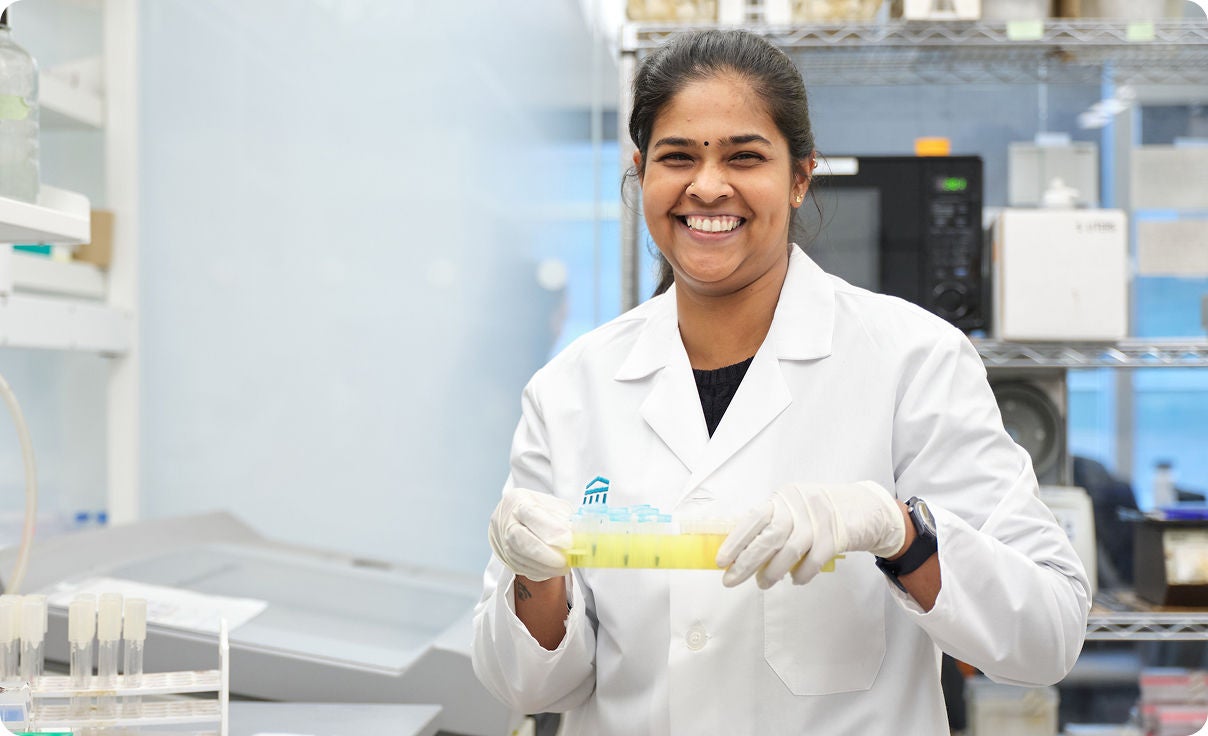
Our research is shaping the future of neuroscience care. We offer access to clinical trials and emerging therapies, including treatments that may not yet be widely available. Eligibility depends on a person’s diagnosis, treatment history, and more. Explore our research and clinical trials or talk with your care team to learn about available options.
A scientist in a white lab coat holds a rack of test tubes filled with yellow liquid.
tertiary
external
Explore our neuroscience research

Learn how neuroscience research informs patient care

https://research.massgeneralbrigham.org/en/institutes-centers/neuroscience-institute
tertiary
external
Search clinical trials

Search open clinical trials for neurological conditions

https://rally.massgeneralbrigham.org/