Stroke and Cerebrovascular Disease Care
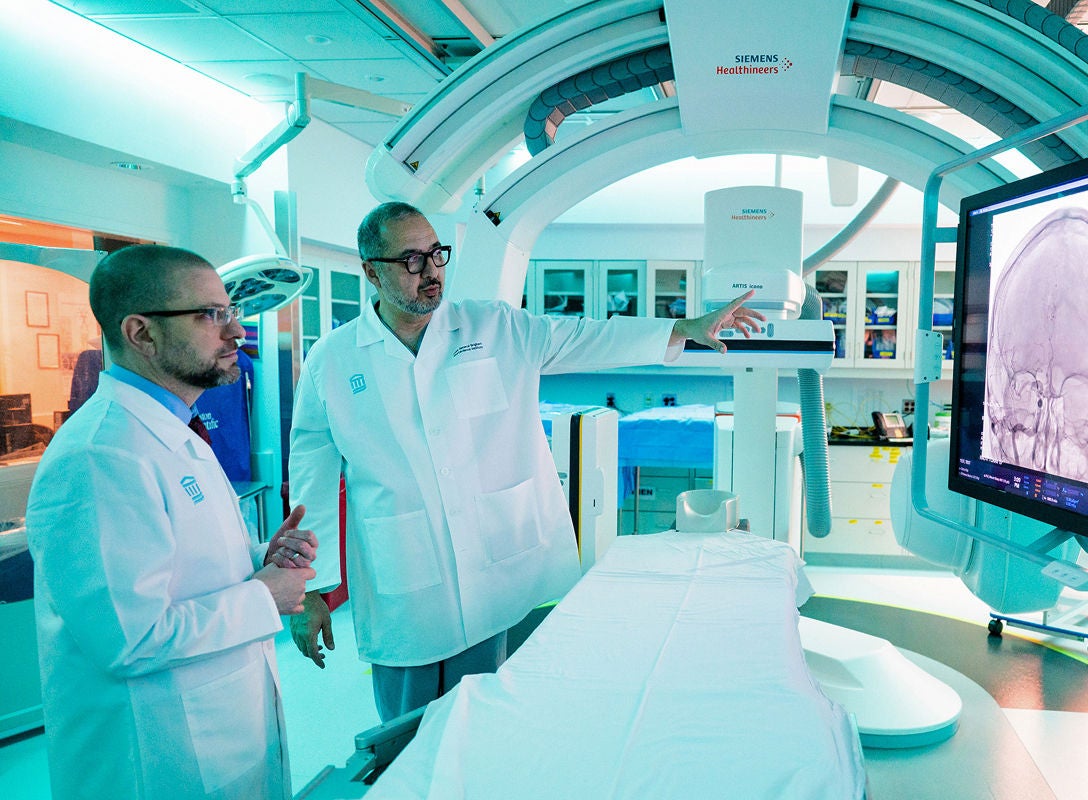
Expert stroke and cerebrovascular disease care
Cerebrovascular disease affects the brain's blood vessels and can lead to serious events such as stroke or a brain bleed, which occurs when a blood clot or damaged blood vessel disrupts blood flow to the brain.
Mass General Brigham Neuroscience Institute specialists provide personalized, comprehensive care for cerebrovascular disease. We treat a wide range of conditions and complexities, including complex stroke and advanced vascular disorders, using coordinated, multidisciplinary care plans tailored to each patient.
Part of the Neuroscience Institute
Our approach to stroke and cerebrovascular care
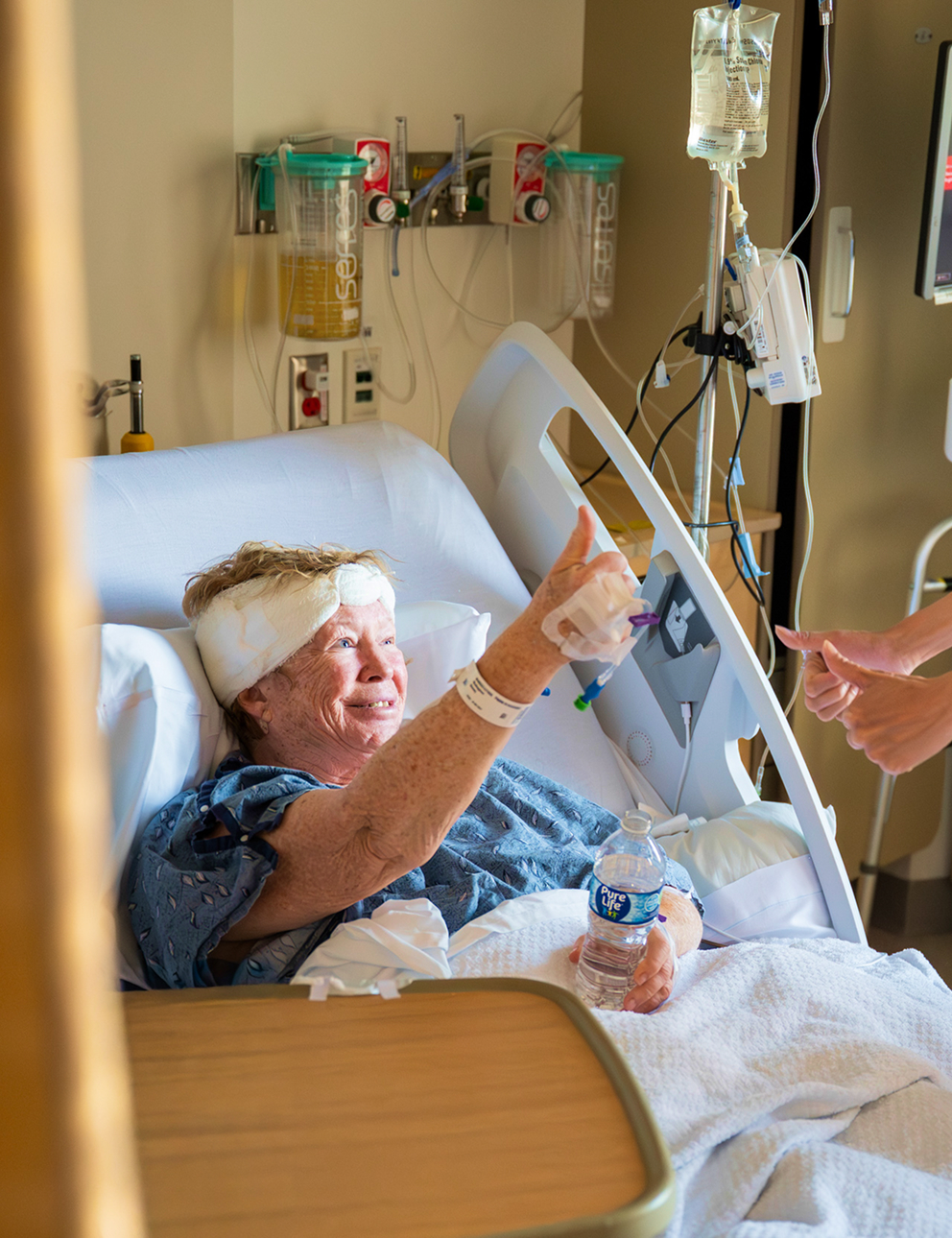
Living with cerebrovascular disease can be difficult. It can affect movement, speech, thinking, and independence.
Our multidisciplinary team takes a patient-centered approach to care focused on timely diagnosis, treatment, recovery, prevention, and long-term quality of life. We help many patients regain function and maintain independence.
Our team includes renowned neurosurgeons, neurologists, neuroradiologists, and rehabilitation specialists, many of whom have subspecialty expertise in cerebrovascular disease.
This team-based approach supports accurate diagnosis, timely treatment, and coordinated follow-up for complex cerebrovascular conditions.
At the Neuroscience Institute, advanced imaging helps our teams quickly determine which treatments are most likely to help, especially in complex or time-sensitive cases.
Mass General Brigham specialists have helped advance imaging techniques that allow providers to better evaluate brain function, blood flow, and tissue injury. These include innovations in MRI and CT imaging, such as perfusion imaging, which help assess how quickly brain injury is progressing and guide treatment decisions.
Ongoing work in neuroimaging continues to improve how stroke is diagnosed and managed, including approaches that support faster evaluation and more precise treatment planning.
Some cerebrovascular conditions, like stroke, require prompt care to preserve life and protect brain function. Our specialists work closely with emergency departments to provide rapid care to patients at our medical centers and community hospitals. Our neuro-intensive care units provide 24/7 monitoring and specialized care.
In some cases, advanced endovascular treatments may be used to help restore blood flow to the brain when delivered quickly, supporting better outcomes.
Treatment varies based on the type, location, and complexity of cerebrovascular disease. Care options may include:
- Emergency stroke treatments
- Procedures to restore or improve blood flow, such as angioplasty or carotid endarterectomy
- Endovascular treatments, including coil embolization
- Surgery for aneurysms or other complex vascular conditions
- Clinical trials evaluating cutting edge treatments
In non-emergency cases, we support patients through rehabilitation, risk-factor management, and long-term follow-up. Treatments may include medications, surgery, or a combination of both.
In addition, we provide education and tools to help you improve your overall health and reduce future risk, with the goal of helping you live a full life with minimal impact from cerebrovascular disease.
Specialists at Mass General Brigham have played a key role in advancing how stroke causes are identified and classified. This includes improving understanding of different stroke types and syndromes, as well as conditions such as cerebral amyloid angiopathy and reversible cerebral vasoconstriction syndrome.
Understanding the cause of stroke helps guide treatment decisions, prevention strategies, and long-term care.
Stroke and cerebrovascular expertise
Related conditions and treatments
- Arteriovenous Malformations
- Brain Aneurysm
- Carotid Artery Disease
- Cavernous Malformations
- Cerebrovascular Disease
- Spinal Arteriovenous Malformations
- Stroke Types
- Thrombolytic Therapy for Stroke
- Rehabilitation for Stroke
- Stroke Medications
- AVM Treatment
- Carotid Endarterectomy
- Embolization for Brain Aneurysm
- Coronary Stents
- Stroke Treatment
- Endovascular Coiling
Our neuroscience specialists

Neuroscience clinical trials and research

Explore our neuroscience research
Learn how neuroscience research informs patient care
Search clinical trials
Search open clinical trials for neurological conditions
Events, information sessions, and support groups
Contact the Stroke and Cerebrovascular Disease Service
Brigham and Women's Hospital
Neurology: 617-732-7432
Neurosurgery: 617-732-6600
Massachusetts General Hospital
Neurology: 617-724-6387
Neurosurgery: 617-726-2937