What to Do if Someone Has a Stroke
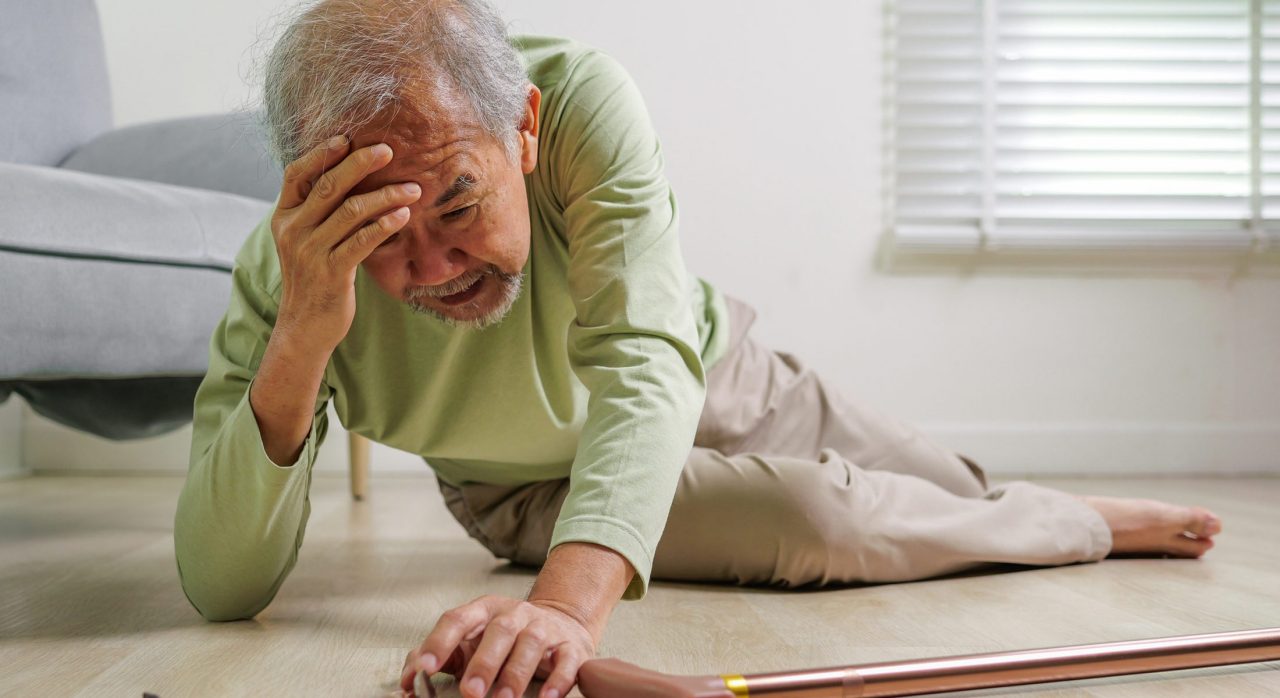
Stroke is a leading cause of death and disability. According to the National Institutes of Health (NIH), about 795,000 people in the United States have strokes each year. They can happen to anyone at any age. While most strokes occur in older adults, stroke rates in adults younger than 65 are rising.
A quick response is critical to limit damage from stroke. DaMarcus Baymon, MD, a Mass General Brigham emergency medicine doctor, outlines important steps that you can take immediately to identify stroke signs and symptoms. Learn what to do if someone is having a stroke. Your quick action can save a life.
How to tell if someone is having a stroke: F.A.S.T.
Use the acronym F.A.S.T. to remember what to look for, and the importance of acting quickly:
- Facial drooping
- Arm weakness
- Speech difficulties, and
- Time
What does a stroke feel like?
The primary signs and symptoms of stroke are described by the F.A.S.T. acronym above, but other symptoms can include:
- Dizziness or balance problems
- Trouble walking
- Blurred vision or loss of vision in one or both eyes
- Severe headache with unknown cause
If you think you’re having a stroke, don’t drive yourself to the hospital or ask someone else to drive you. Call 9-1-1 if you feel the onset of these symptoms or if someone with you is reporting them.
What to do if someone is having a stroke
If you suspect someone is having a stroke, act quickly:
Do:
- Call 9-1-1 immediately. Every minute that goes by increases the risk that stroke leads to permanent brain damage, disability, or even death.
- Make a note of the time. This can be critical information for emergency responders and attending doctors. The faster a person having a stroke can be treated, the greater their chances of survival.
Emergency medical technicians (EMTs) often carry an anti-stroke drug that is used to quickly thin the blood and break up blood clots—the cause of most strokes. It can be a lifesaving drug when given in time.
In rare cases, people having a stroke may require CPR (cardiopulmonary resuscitation). If you find someone unresponsive, with no pulse or no signs of breathing, CPR can keep oxygen and blood flowing while waiting for help to arrive. If you are unfamiliar with or untrained in CPR, a dispatcher can coach you through the process over the phone in an emergency.
What not to do if someone is having a stroke
There are several things that you should not do if you suspect someone is having a stroke.
Do not:
- Give the person any medications, including aspirin.
- Drive them to a hospital. Call 9-1-1 so that an ambulance with equipped EMTs can arrive as soon as possible.
- Let a person with stroke eat, drink, drive, or go to sleep.
Strokes can happen to anyone at any age. Rapid response is critical to preserve someone’s life and abilities. Remember, act F.A.S.T. and you could make a huge difference.
DaMarcus Baymon, MD
- Emergency Medicine Doctor, Mass General Brigham
Types of strokes
If you or someone you’re helping has a history of stroke, tell the emergency responders or doctors providing care. This information may help determine emergency treatment.
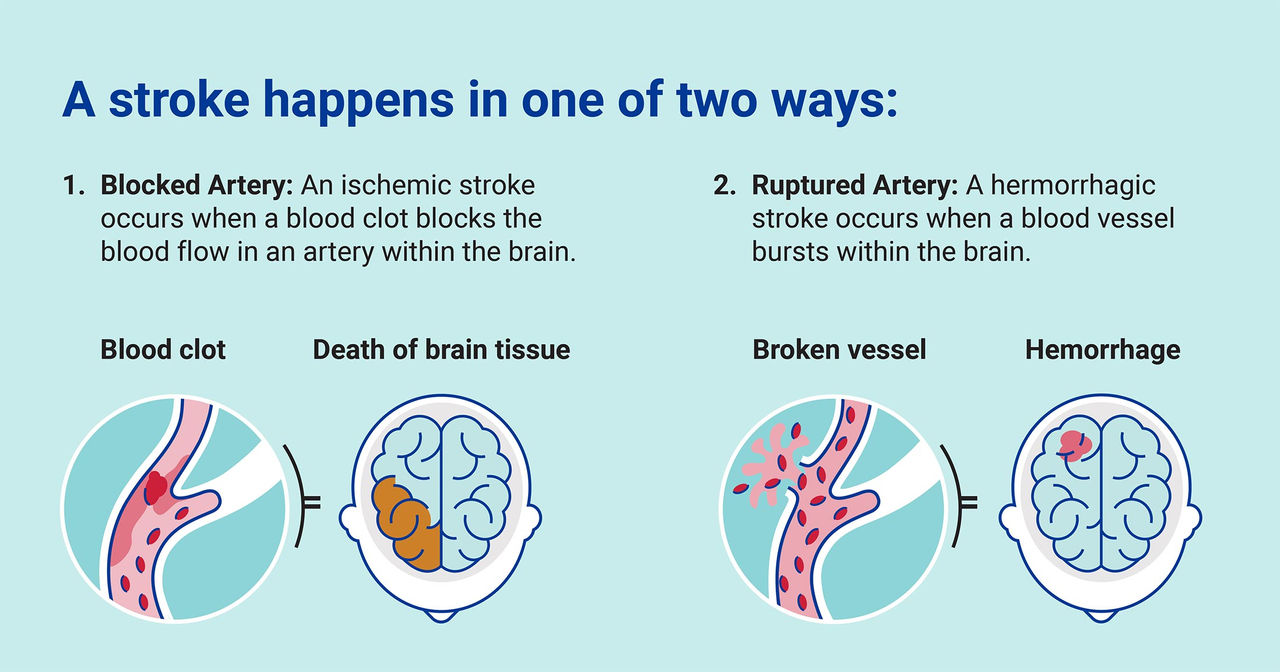
There are two types of strokes:
- Ischemic strokes. Nearly 9 in 10 strokes are ischemic. They result from a blood clot in the brain.
- Hemorrhagic strokes. These are caused by bleeding in the brain. This is usually due to a blood vessel or a brain aneurysm that breaks inside the brain and causes blood to leak out.
When someone has a stroke, it can be a scary and uncertain situation. If you follow the F.A.S.T. steps, however, you can save a life or prevent serious disability for yourself or someone you care about. Following stroke, there are steps you or a loved one can take to help reduce risk of future strokes.
Secondary strokes
Nearly 8 million Americans are stroke survivors, according to the Centers for Disease Control and Prevention (CDC). And the American Stroke Association (ASA) estimates that a quarter of stroke survivors will have another one.
Working together with a neurologist and primary care provider, survivors can lower the chances of having a second stroke by keeping chronic conditions under control and making lifestyle changes.
Stroke risks and prevention
You can lower the risk of stroke by making lifestyle changes. Here’s how:
- Monitor chronic health conditions and take prescribed medications. Conditions like high blood pressure, diabetes, heart disease, and high cholesterol all increase stroke risk. Take any medications your doctor prescribes to manage these conditions and keep risk for stroke under control.
- Eat healthy foods, especially ones low in cholesterol. The Mediterranean diet is often cited as one rich in foods that help prevent stroke.
- Quit smoking. Smoking raises blood pressure and contributes to coronary artery disease.
- Limit alcohol consumption. Doctors recommend no more than two alcoholic drinks per day for men and one per day for women.
- Exercise regularly. Doctors recommend 30 minutes a day of moderate to vigorous exercise that raises your heart rate, 5 days a week.
- Maintain a healthy weight. Obesity is a major risk factor for stroke and other cardiovascular conditions.
- Manage stress and anxiety. Stress and anxiety can also increase the risk for stroke. Activities such as meditation, cognitive behavioral therapy (CBT), or other calming practices help reduce the risk for stroke.