Driving Progress in Patient Transfers to Expand Access to Care
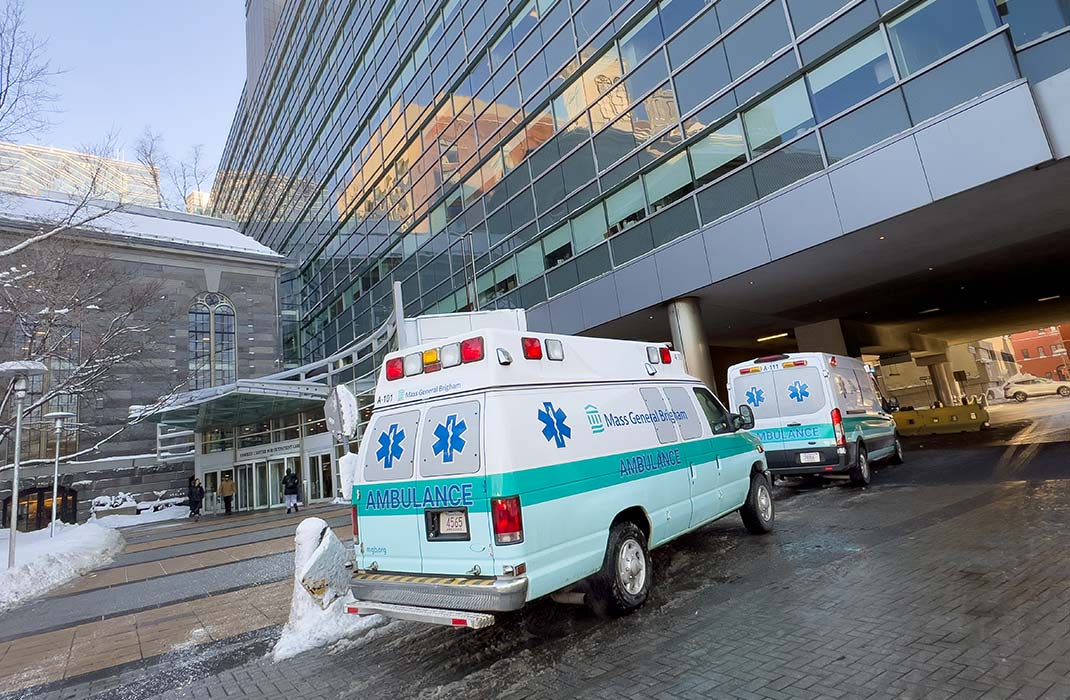
From all corners of New England, hospitals send patients to Mass General Brigham’s academic medical centers (AMCs) to receive the complex, high-level care that our expert teams are equipped to provide.
From Aroostook County at the northern tip of Maine, an eight-hour ambulance ride away, and rural Vermont to more-densely populated local areas, patients are transferred from within and outside our system to Massachusetts General Hospital and Brigham and Women’s Hospital for specialized care. But what happens once they are stabilized and recovering? When they still require inpatient care but not at the same high level?
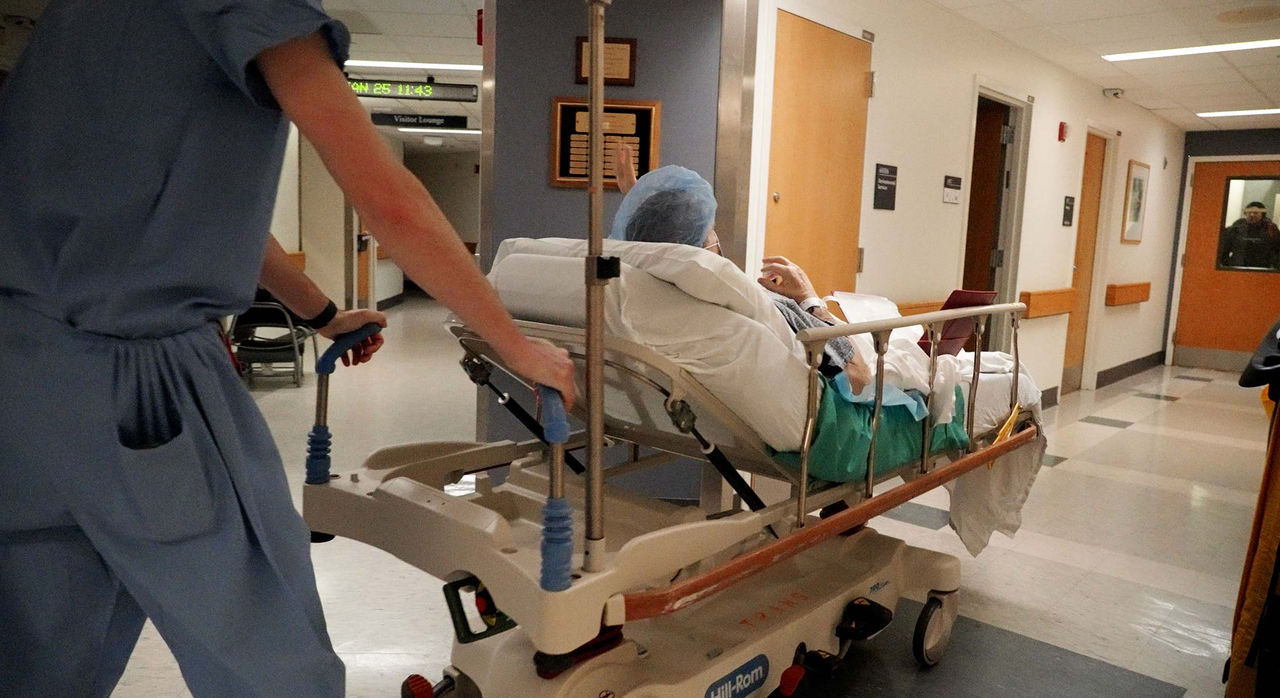
That is the focus of a small team of case managers in Mass General Brigham’s Patient Transfer and Access Center who facilitate repatriation transfers, ensuring that patients at our AMCs return to their original, referring hospitals as soon as it is clinically appropriate. This essential work is helping to alleviate capacity pressures at our AMCs and open up beds for the next patients who need them.
The team’s proactive involvement, from the moment a transfer request is received throughout a patient’s care at one of our AMCs, is making a difference. Mass General Brigham saw a 34 percent increase in repatriation transfers from fiscal year 2023 to fiscal year 2025.
“These are very skilled clinicians who can tease apart the complexity that can be involved in these cases. It’s not just medical complexity, there are sometimes social, financial and legal complexities as well,” said Kim Barry, RN, MS, FACHE, vice president of Enterprise Care Continuum for Mass General Brigham. “They are always thinking two and three steps ahead, regularly communicating with our AMC care teams and working to advance patients along a care path that enables them to recover closer to home.”