
Research Spotlight: Uncovering a New Role for Neutrophils in ARDS Recovery
Luciana Padua Tavares, PhD, and Bruce D. Levy, MD, of the Pulmonary and Critical Care Medicine Division in the Department of Medicine at Mass General Brigham, are the lead and senior authors of a recent paper in Science Immunology, “Siglec-F+ neutrophils promote the resolution of acute lung injury through ALOX15 induction.”
Q: How would you summarize your study for a lay audience?
Acute Respiratory Distress Syndrome (ARDS) is a life-threatening lung disease characterized by extensive lung damage and excessive inflammation. Currently, there are no routinely effective medical treatments for this critical illness.
This study explores how one of the body’s natural defense mechanisms operates to promote the resolution of lung inflammation.
Neutrophils are important circulating white blood cells that rapidly respond to lung infection or injury to initiate protective pro-inflammatory responses. ARDS is a clinical syndrome of excessive recruitment and activation of neutrophils into the lung, where their pro-inflammatory actions can worsen lung injury and increase mortality, or risk of death. Notably, ARDS still occurs in patients with decreased neutrophils, and immunosuppressants have thus far failed to reduce ARDS mortality.
In this study, we were surprised to find a paradigm-shifting discovery of an unexpected subset of lung tissue neutrophils with protective and pro-resolving actions.
Using a mouse model of ARDS, we identified unique features of these tissue neutrophils that may hold a key to recovery. These “resolution-phase” neutrophils develop increased expression of the enzyme 15-lipoxygenase (ALOX15), enabling them to generate Specialized Pro-Resolving Mediators (SPMs).
These neutrophils and their SPM products promote lung macrophage differentiation, an essential process for resolving inflammation and injury.
In human ARDS patients, we found a higher abundance of these resolution-phase neutrophils in bronchoalveolar lavage (a fluid sample from the lungs) when patients’ oxygenation was improving as their ARDS resolved.
Q: What question were you investigating?
Our goal was to investigate the endogenous mechanisms (the mechanisms from inside the organism) that drive the resolution of lung inflammation and injury. Despite the high mortality associated with ARDS, some patients recover, while others cannot.
Q: What methods or approach did you use?
We employed a mouse model of severe acute lung injury and translated our findings to humans by studying neutrophils from peripheral blood and bronchoalveolar lavage samples from patients admitted to the Brigham and Women’s Hospital (BWH) medical intensive care units.
We used a combination of scientific approaches to dissect the spatial distribution, functional roles and phenotypic characteristics of resolution-phase neutrophils during injury.
Q: What did you find?
We found that at later time points after lung injury—when healing is underway—a distinct subset population of resolution-phase neutrophils emerges within the injured lung. These cells are characterized by the differential expression of many inflammation-related genes, and have distinct morphology, function and phenotype compared to classical peripheral blood neutrophils.
The appearance of this resolution-phase neutrophil subset coincided with increasing numbers of macrophages and evidence of lung epithelial restitution. In fact, these cells promoted macrophage differentiation and the expression of reepithelization factors.
Neutrophil depletion impaired epithelial repair, whereas adoptive transfer of these resolution-phase neutrophils accelerated lung injury resolution.
Q: What are the implications?
Currently, therapies aimed at reducing neutrophils have failed in clinical trials for ARDS, and effective treatment options remain extremely limited. Our study highlights the complex mechanisms that govern the resolution of inflammation and injury in severe lung disease and identifies potential new therapeutic approaches for ARDS.
Q: What are the next steps?
As next steps, we plan to expand our cohort of ARDS patients to determine whether resolution-phase neutrophils can serve as a biomarker for the clinical course of patients with ARDS or can identify a subset of patients for endotype targeted therapy.
Authorship: In addition to Padua Tavares and Levy, Mass General Brigham authors include Thayse R. Brüggemann, R. Elaine Cagnina, Robert Nshimiyimana, Ana B. Villaseñor-Altamirano, Rafael M. Rezende, Toby B. Lanser, Xiaoli Liu, Marjorie E. Bateman, Nandini Krishnamoorthy, Stephanie Pons, Melody G. Duvall, Raja Elie E. Abdulnour, Alexander Tavares, Kathleen J. Haley, Rajesh K. Krishnan, and Charles N. Serhan.
Paper cited: Tavares LP., et al. “Siglec-F+ neutrophils promote the resolution of acute lung injury through ALOX15 induction.” Science Immunology. DOI: 10.1126/sciimmunol.aeb2657
Funding: This work was supported by grants from the National Institutes of Health (R01 HL122531), (R01 HL150520) and (R35 GM137430), the Pew Charitable Trusts (Latin American Fellowship 00034105) and an American Lung Association Catalyst Award (CA-1420662).
Disclosures: None.
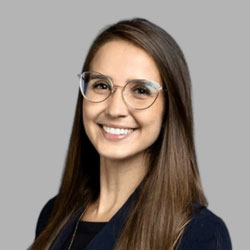
Lead author
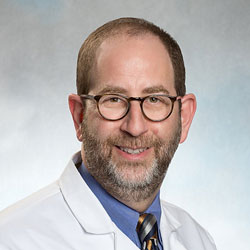
Senior author
Media contact
About Mass General Brigham
Mass General Brigham is an integrated academic health care system, uniting great minds to solve the hardest problems in medicine for our communities and the world. Mass General Brigham connects a full continuum of care across a system of academic medical centers, community and specialty hospitals, a health insurance plan, physician networks, community health centers, home care, and long-term care services. Mass General Brigham is a nonprofit organization committed to patient care, research, teaching, and service to the community. In addition, Mass General Brigham is one of the nation’s leading biomedical research organizations with several Harvard Medical School teaching hospitals. For more information, please visit massgeneralbrigham.org.