10 Simple Substitutes for Healthy Eating
Kathy McManus, MS, RD, LDN

When it comes to healthy eating, small changes can make a big difference.
“Many people become overwhelmed when thinking about changes in their diet,” says Kathy McManus, MS, RD, LDN. McManus is a Mass General Brigham dietitian and director of the Department of Nutrition at Brigham and Women’s Hospital.
“The fact is that simple food substitutions can have major benefits, including fewer calories, less saturated fat, healthy carbohydrates, and less sodium. These changes may lower risks for heart disease, diabetes, and some cancers.”
Tips for healthy food substitutions
To make recipes healthier for you and your family, try these 10 simple substitutes:
1. Use unsweetened applesauce instead of oil when baking.
Substitute applesauce for half the oil in cakes, muffins, and quick breads. You’ll cut down on calories without losing flavor or texture.
2. Try brown rice or other healthy whole grains such as quinoa, farro, bulgar, barley, and millet instead of white rice.
Whole grains have more fiber and nutrients than white rice. The fiber also makes it more filling.
3. Use a nut butter or avocado on your toast instead of butter.
Nut butters, such as peanut butter or cashew butter, or avocado provide healthy monounsaturated fats in place of saturated fat.
4. Choose whole wheat pasta instead of white pasta.
Whole wheat pasta offers additional fiber and the bran and germ in whole wheat pasta is rich in antioxidants, which can protect against inflammation. Whole wheat pasta is a good source of various vitamins and minerals including iron, selenium, and B vitamins.
5. Select low-fat cheese over full-fat cheese.
There are many delicious reduced-fat cheeses that reduce calories and saturated fat without compromising flavor.
6. Use low-fat plain yogurt instead of sour cream.
Plain, low-fat yogurt—especially Greek yogurt—is a great way to cut calories and saturated fat while maintaining a tangy flavor. It’s sure to leave you feeling better about your meal.

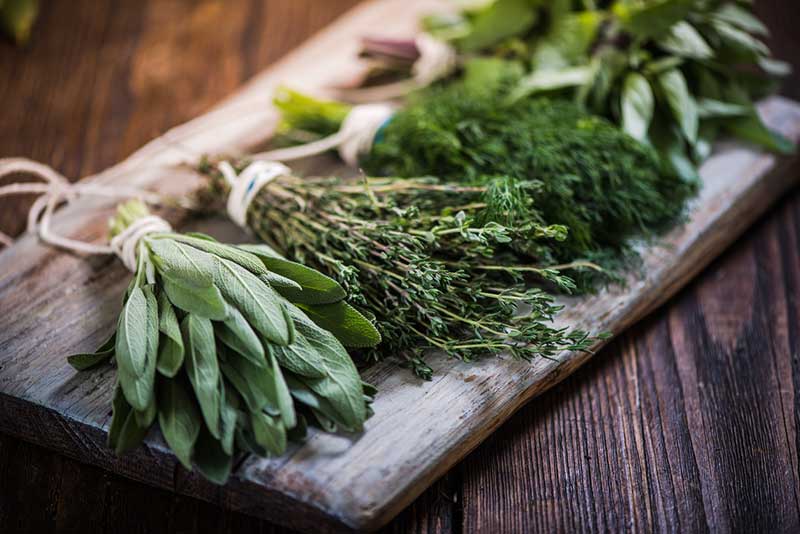
7. Try fresh herbs and spices instead of salt.
You’ll leave behind the sodium and add new flavor to your meals. If you can’t use fresh herbs, dried herbs, spices, and acids (such as vinegar or lemon juice) are great alternatives.
8. Choose low-fat milk over cream.
You can opt to use lower-fat milk for cream-based soup recipes or when baking to reduce calories and saturated fat.
9. Try hummus instead of a sour cream dip.
Hummus, made from chickpeas, offers protein and healthy fats. It’s simple to make and a great dip for vegetables or whole grain pita chips.
10. Use ground turkey, ground chicken, firm tofu, or lentils in place of full-fat beef.
Those are just some of the many alternatives to full-fat beef you can use to save on calories and saturated fat when making chili, burgers, meatballs, meatloaf, and lasagna.