
Home Hospital Program Supports Recovery After Treatment for Atrial Fibrillation
Mass General Brigham offers all the latest AFib treatments
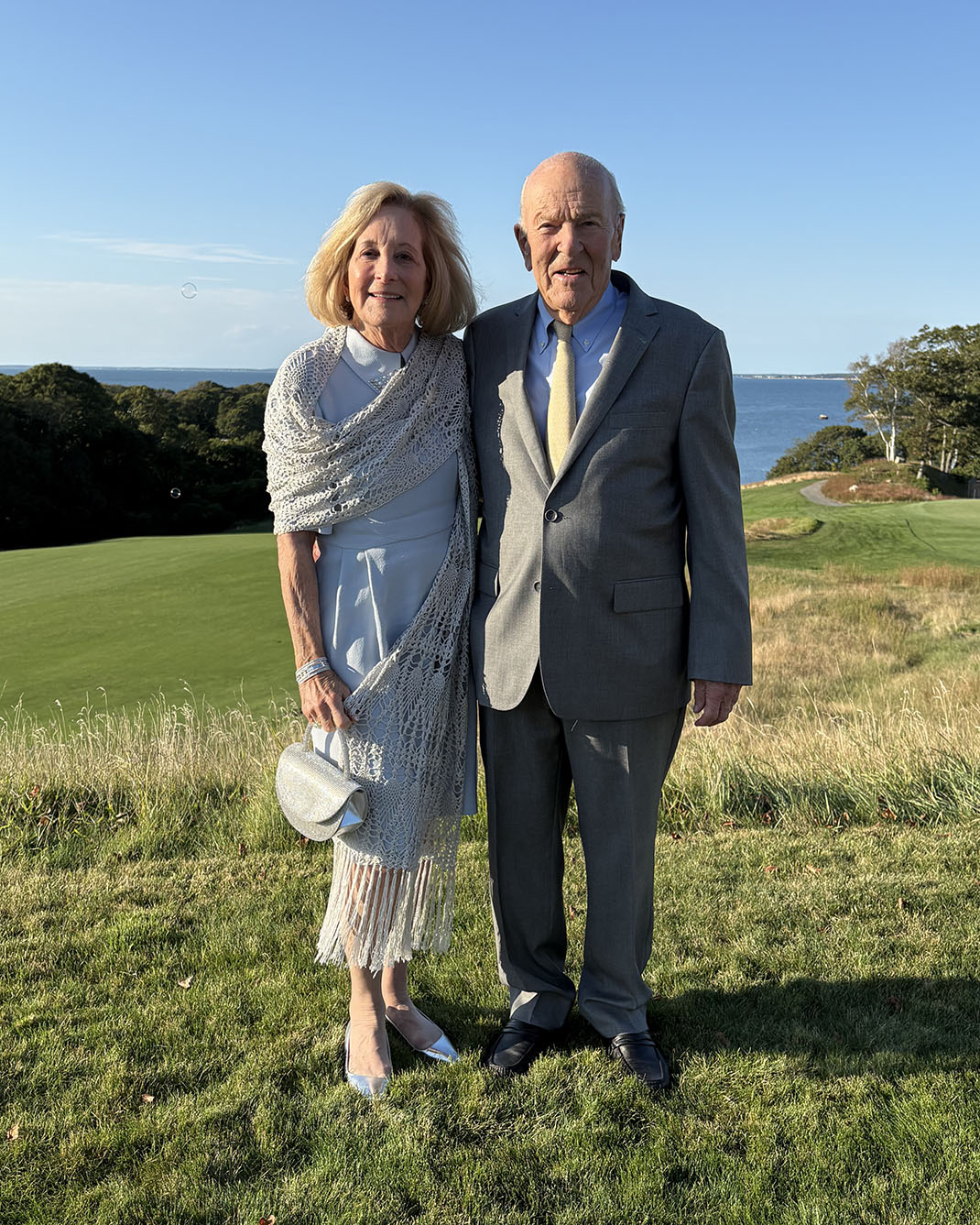
Alan clearly values long-term relationships. He has been a Mass General patient for 50 years and married for over 40 years. He and his wife, Susan, have three adult children and six grandchildren.
To explore the possibility of a Watchman implant, Dr. Singh referred Alan to E. Kevin Heist, MD, PhD, a colleague at Mass General Brigham Heart and Vascular Institute. Like Dr. Singh, Dr. Heist is also part of Mass General Brigham's Cardiac Arrhythmia Program.
"We take a very comprehensive approach to treating AFib," Dr. Heist said. "We always keep up with new breakthroughs in AFib and offer all the latest treatments, including investigational devices and drugs via clinical studies."
The Watchman, one of many treatment options available through the program, is a U.S. Food and Drug Administration–approved therapy designed to replace blood thinners and prevent strokes in patients with AFib. Mass General Brigham was involved in early clinical trials of the Watchman in the mid-2000s and has contributed to the device's development ever since.
Dr. Heist thought that Alan's fall risk made him a good candidate for the Watchman. The device is implanted during a short, minimally invasive procedure that doesn't put much stress on the body.
"If you have AFib, an elevated risk of stroke, and some rationale for not taking a blood thinner long term, then the Watchman is probably going to make sense," Dr. Heist explained. "Alan is in his mid-80s, which is a pretty common age for it, and we've even used it in people up to their late 90s."
Alan was on board with Dr. Heist's recommendation and returned to Mass General for the procedure three months later.
Going home the same day with Home Hospital
Alan's procedure took place early one morning. It went smoothly, and he woke up around 9:45 a.m. feeling surprisingly good. "I had no aftereffects—no grogginess, no nausea, no pain," he said. "I was very pleased."
Now the question was, how long would he need to stay at Mass General? A week earlier, a Mass General Brigham Home Hospital representative had said that if the procedure went well, Home Hospital would be a possibility.
"I'd never heard of Home Hospital," Alan recalled. "But the more I talked about it with my care team, the more confident I became. They didn't have to twist my arm to get me to agree to it."
After examining him early that afternoon, Dr. Heist cleared Alan for care through Home Hospital.
"Patients want to be home, where they rest better and are more comfortable," Dr. Heist said. "With Mass General Brigham's Home Hospital, when we can get them back home sooner, it's all the better. As a secondary benefit, it opens up beds for other patients who need to be hospitalized."
By mid-afternoon, a Mass General Brigham van was taking Alan to his home in Newton, Massachusetts. Susan was there to greet him. So was a Home Hospital paramedic, who had already set up all the equipment needed to monitor Alan's heart.
"Everything worked like a fine Swiss watch," Alan marveled. "They made it very easy through Home Hospital."
For the rest of the day and into the next morning, the Home Hospital team monitored Alan remotely. He and Susan had several phone numbers they could call if anything went wrong. As expected, there were no problems.
The next morning, a Home Hospital nurse stopped by. Over the course of an hour, she checked Alan's health, including performing an electrocardiogram (a test to check the heartbeat) and a blood test. Satisfied with the results, she discharged Alan from Home Hospital in consultation with the Home Hospital provider.
Looking forward to a future without blood thinners
Alan took two weeks off before resuming his usual athletic activities. Today, less than a month since the procedure, he feels great. He is scheduled to stop taking blood thinners six weeks post-procedure. After that, he will only need to take one drug to prevent blood clots for six months along with aspirin long term.
Alan, who will continue to see Dr. Singh for his heart care, couldn't be happier with his outcome—or his care through Mass General Brigham.
"The people I met at Mass General during my procedure were terrific, as were the people I met through Home Hospital," he said. "Everyone really delivered."
What to Expect as a Home Hospital Patient
Watch this video to learn how Mass General Brigham Home Hospital brings expert medical care, advanced monitoring, and personalized treatment right to your doorstep.