Pain Management for Chronic Limb-Threatening Ischemia (CLTI)
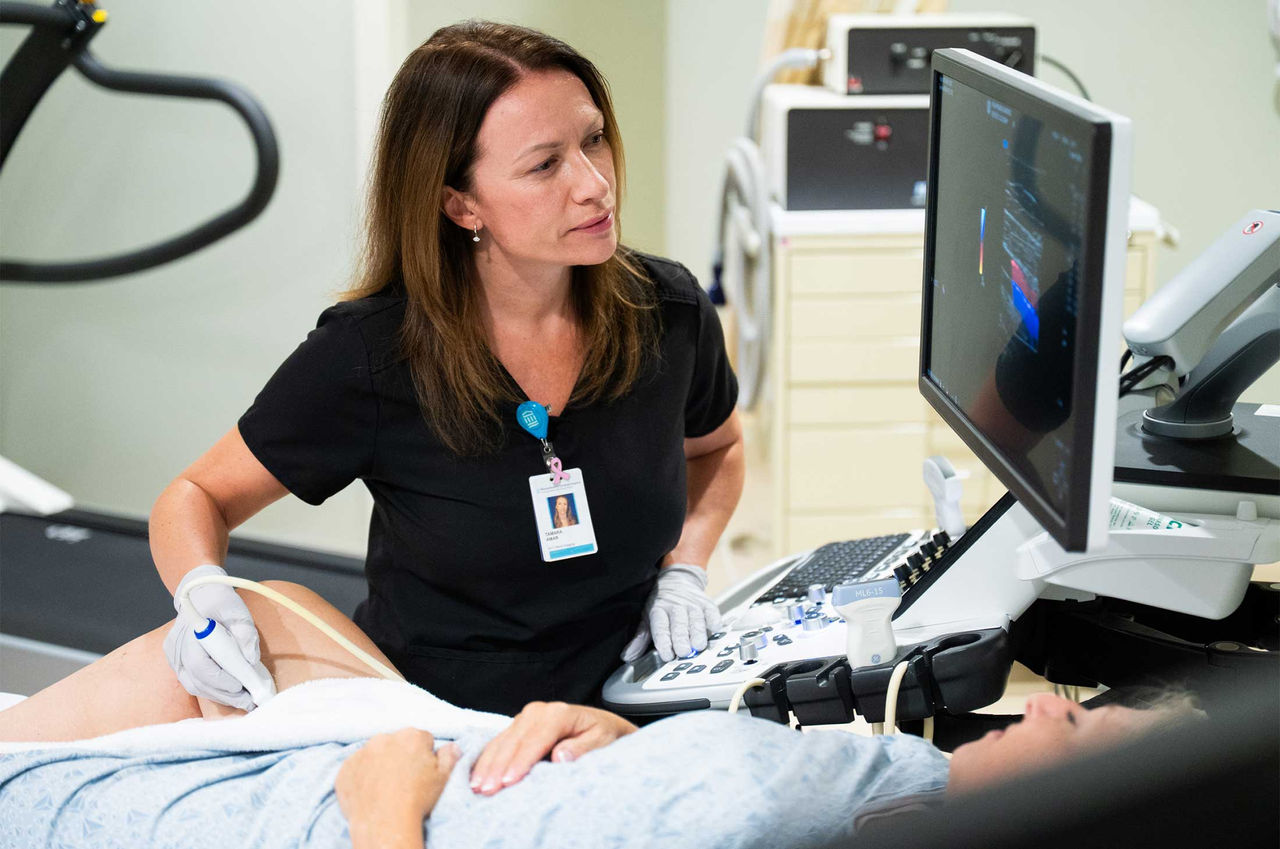
Chronic limb-threatening ischemia (CLTI) is on the rise in the U.S., as more people grow older and are more likely to have peripheral artery disease (PAD). CLTI is a serious complication of PAD that causes constant, severe foot and leg pain. People with CLTI (previously called critical limb ischemia or CLI) are also more at risk for heart attacks and strokes.
"CLTI has a significant negative impact on all aspects of life," says Anahita Dua, MD, a Mass General Brigham Heart and Vascular Institute vascular surgeon. "It affects your ability to get around, sleep, work, and enjoy life. Some people need limb amputations."
Dr. Dua, who cares for patients at Massachusetts General Hospital, answers common questions about CLTI and discusses treatments to help manage pain and prevent limb loss.
What causes CLTI?
CLTI occurs in people who have PAD, a type of arteriosclerosis (also known as hardening of the arteries). Arteriosclerosis happens when plaques of fat, calcium, and cholesterol build up inside arteries. The arteries become narrow and rigid. PAD most commonly affects blood circulation to your feet and legs.
What is ischemic rest pain and ischemic leg pain?
Ischemia is the medical term for lack of blood flow. Ischemic leg pain is a warning sign of poor blood circulation. "Tissues start to die because they aren't getting enough oxygenated blood," explains Dr. Dua. Poor blood circulation can also cause nonhealing wounds (ulcers) in the foot, ankle, or leg. These wounds increase the risk of infection, gangrene (tissue death), and amputation.
Some people with PAD experience intermittent claudication—foot or leg pain during activity that gets better with rest. People with claudication may eventually develop CLTI. More commonly, CLTI occurs without claudication. "With CLTI, the pain—which patients describe as an intense gnawing sensation—is relentless, even at rest," says Dr. Dua. In fact, ischemic rest pain in the foot often worsens when you sit or lie down.
Nonsurgical treatments, as well as vascular surgeries, can improve blood flow, ease ischemic leg pain, and lessen the risk of limb loss. All patients with CLTI benefit from specialized pain management care.
How do you manage ischemic pain?
The Limb Evaluation and Amputation Prevention Program (LEAPP) at Mass General Brigham is among a select few programs nationally that bring together a dedicated team of vascular experts caring for patients at risk for limb loss. Dr. Dua is founder and director of the program, which is a service through the Peripheral Artery Disease Center at the Fireman Vascular Center.
"We offer personalized treatment plans that reduce the risk of amputations and life-threatening cardiovascular complications, while helping patients manage ischemic pain and stay active," says Dr. Dua.
Medications for ischemic foot pain and ischemic leg pain
Pain-relieving medications, such as opioids, are the most common treatment for ischemic rest pain in the foot and ischemic leg pain. Patients meet with pain medicine specialists who review medication options and address concerns about opioid use disorders.
"Patients who also have nerve pain (neuropathy) may benefit from different medications like gabapentin or duloxetine, which calm the nervous system," says Dr. Dua. "Our pain specialists may recommend other medications for patients with CLTI and joint pain." Pain medications also ease pain before and after procedures.
Procedures to ease ischemic pain
Nonsurgical catheter-based endovascular procedures are minimally invasive treatments for PAD and CLTI. These include:
- Angioplasty: A small balloon opens a narrowed artery
- Stenting: A small mesh tube keeps the blocked artery open
- Atherectomy: A tiny blade or laser removes plaque
Mass General Brigham vascular surgeons are among a select few in the country with the expertise to perform a novel limb-preserving surgery called deep venous arterialization (DVA). DVA is an option when other surgeries, such as peripheral artery bypass surgery, can't restore blood flow.
"With DVA, we reroute blood vessels so oxygenated blood flows into deep veins in the foot," says Dr. Dua. "Typically, these veins carry deoxygenated blood back to the heart. In people with CLTI, the veins are inactive because arterial blood doesn't reach them."
It can take up to 3 months for the rerouted blood vessels to start working. During this time, ischemic pain can worsen. "We make sure patients and caregivers know what to expect in this disease journey and offer medications to control pain as much as possible."
Studies like this one led by Mass General Brigham researchers show that revascularization procedures like DVA and bypass surgery greatly improve quality of life. Still, for some patients, amputation is the best option.

Living better with CLTI
While CLTI isn't reversible, it's never too late to take steps to improve your cardiovascular health. Depending on your needs, LEAPP care team members can help you make heart-healthy dietary choices, stop smoking, and move more with less pain. Patients also benefit from proper medical management of diabetes, high blood pressure, and high cholesterol. These PAD risk factors affect blood flow and can worsen ischemic pain.
"Unfortunately, many people with PAD and ischemic pain wait too long to seek care," says Dr. Dua. "They mistakenly think there isn't anything that can be done about the pain, or they're concerned about taking pain medications. But with the right care, we can keep the condition from getting worse, reduce the risk of limb loss, and manage ischemic pain."
Learn about Mass General Brigham Heart and Vascular services