
New Approach to Hearing Support Could Turn Smartphones into Accessible Hearing Aids
For years, King Chung, PhD, has brought hearing care to people who often have the least access to it. Through humanitarian service and teaching initiatives, she has worked with patients and students in underserved communities around the world, providing hearing evaluations, fitting hearing aids, and helping to build local clinical capacity.
Across those experiences, one challenge has consistently surfaced: for millions of people with hearing loss, the tools to address it remain out of reach.
According to the World Health Organization, more than 1.5 billion people worldwide currently live with hearing loss, and that number could reach nearly 2.5 billion by 2050. Yet many individuals, particularly those with mild to moderate hearing loss, never pursue treatment. Hearing aids can be expensive, and access to audiology services remains limited in many parts of the world. For others, the stigma associated with hearing aids or the perception that their hearing loss is not severe enough discourages them from seeking help. Even where hearing aids are available, supply falls far short of global need. Current hearing aid production meets only about 10 percent of the demand for people with hearing loss worldwide.
For Chung, a professor of audiology at the MGH Institute of Health Professions, that gap between need and access has shaped both her humanitarian work and her approach to innovation.
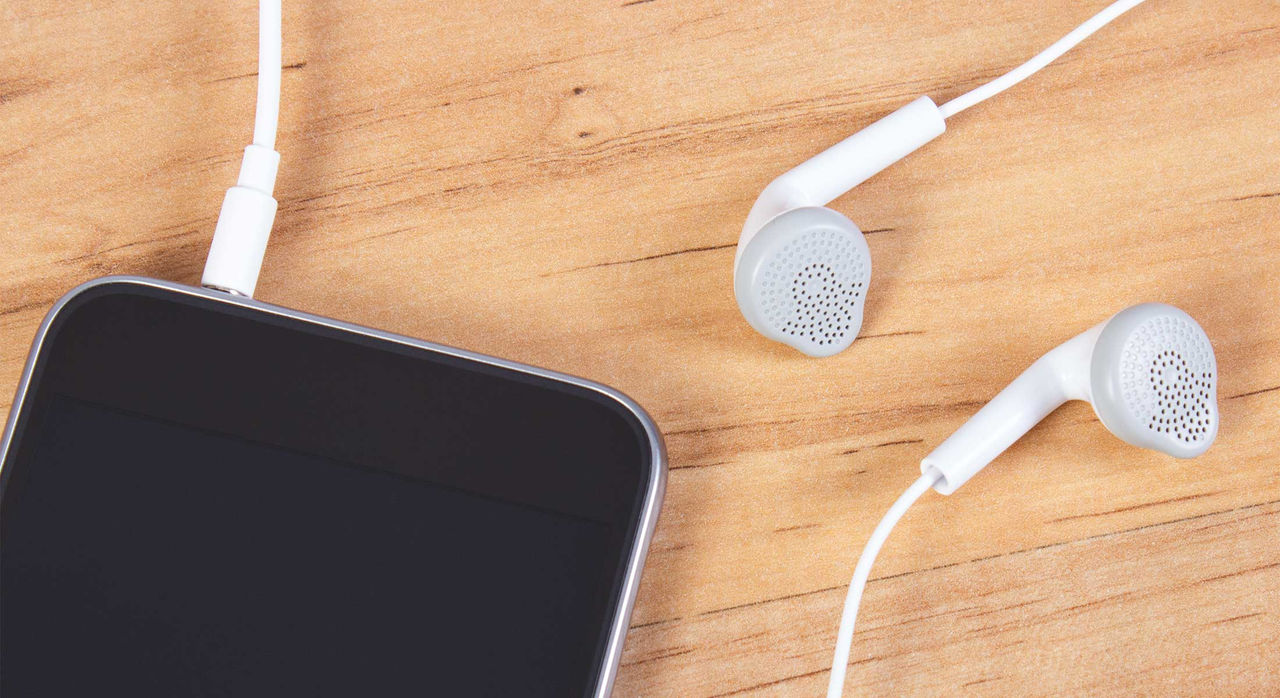
Chung’s latest work focuses on a new approach to universal hearing aid apps, designed to transform everyday smartphones and earbuds into personalized hearing support tools. She has developed patented methods that would allow users to turn the phone and earbuds they already own into a customized amplification system. The technology is designed to help bring everyday sounds into a comfortable hearing range, making softer sounds easier to hear while keeping speech and louder environments manageable.
Designing hearing support that works across the global smartphone ecosystem presents a major challenge. Chung has seen that complexity firsthand through her international humanitarian work. In tightly controlled hardware ecosystems, such as Apple smartphones paired with AirPods Pro, it is easier to build hearing features because the device specifications are known. But around the world, people rely on a wide range of smartphones and earbuds with very different technical characteristics, particularly across the diverse Android device landscape. This makes building a truly universal hearing aid app much more difficult.
In practice, the system must account for several sources of variability at once: differences in smartphone microphones, differences in earbuds or speakers, and differences in each user’s hearing profile.
“Most hearing technologies focus on absolute sound levels,” says Chung. “Our approach focuses on the person’s own hearing range.”
Chung’s patented methods are designed around the user rather than the device. Her system measures a person’s hearing thresholds, the softest sounds they can hear at different pitches, as well as their upper listening limits, the point at which sounds become uncomfortably loud. Those measurements are then used to determine how sounds should be amplified so that speech and everyday sounds fall within a comfortable hearing range. The result is a custom listening experience tailored to each user, one that can adapt across a wide range of phones and earbuds.
The patented approach addresses both sides of the technical challenge: managing incoming sound from devices with unknown microphone characteristics and delivering output that matches the user’s individual hearing range.
For people with mild to moderate hearing loss, this approach could make hearing support far more accessible. Instead of requiring specialized hearing devices, the technology could allow individuals to use the phones and earbuds they already own to improve how they hear in everyday situations.
As Chung began exploring ways to move the concept beyond the lab, she connected with Mass General Brigham Innovation, which works with investigators across the system to help protect and translate promising discoveries. Through that process, Chung worked with Associate Director of Business Development and Licensing Dan Currie to evaluate the technology and pursue intellectual property protection for the concepts behind the universal hearing aid app.
Currie says the project reflects a core goal of the Innovation office, helping promising ideas reach the people who could benefit from them.
“Dr. Chung’s approach to make this technology more universal and accessible is really at the heart of what our Innovation Office strives for — seeing the needs in our patients and developing the solution to realize the benefit everywhere,” says Currie. “Throughout our discussions around commercialization and finding the right partner to bring this to market, she has always wanted to ensure that it would reach those that would need it the most.”
Chung is collaborating with an engineering professor at University of Washington Bothell to develop the universal hearing aid app. The engineering team is writing the software code while the audiology team will test the app, provide feedback, and recruit research participants to evaluate the app’s effectiveness. The goal is to make hearing support easier to try and easier to use, particularly for people who may not be ready for or able to access traditional hearing devices.
For Chung, the long-term vision for the work is shaped by the same global experiences that first inspired it.
“The most exciting thing would be if someone with hearing loss living in a place like the Congo, where audiology services and dedicated hearing devices may not be available, could use this technology with their existing phone and earbuds and suddenly be able to hear, communicate, learn, and improve their quality of life.”
Chung adds that the work may also pave the way for another universal verification technology that allows users to confirm the quality of their hearing aid fitting without the need to use expensive, real ear measurement equipment. The ultimate goal, she says, is to expand access to gold-standard hearing device fitting, particularly in low-resource communities.