Menopause and Osteoporosis
Osteoporosis affects around 54 million Americans, according to the Bone Health and Osteoporosis Foundation, but many people aren’t aware they have it until they break a bone. In osteoporosis, bones become weaker and more prone to fractures. Women who are going through menopause are especially at risk.
“Osteoporosis is a silent condition—it often doesn’t have symptoms until a fracture occurs. My goal for my patients with osteoporosis is to prevent fractures so they can remain active and independent for as long as possible,” says Sharon Chou, MD, a Mass General Brigham endocrinologist who cares for patients at Brigham and Women’s Hospital.
The good news is that by reducing the risk factors of osteoporosis, you can prevent fractures before they start. And if you already have osteoporosis, there are effective treatments. In this article, Dr. Chou explains the options available.
What causes osteoporosis?
In osteoporosis, bone strength is compromised, and bone becomes weaker and more likely to break. Bone strength depends on both bone mineral density (the amount of calcium and other minerals in the bone) and bone quality.
Risk factors for osteoporosis can include:
- Older age (people 50 years or older are most at risk)
- Gender (women or people assigned female at birth are at risk earlier)
- History of fracture after the age of 50 years
- Early menopause
- Certain medical conditions like rheumatoid arthritis
- Use of certain medications, like prednisone
- Smoking
- Excessive alcohol use
According to the Endocrine Society, menopause increases the speed of bone loss and the risk of osteoporosis. One in 2 postmenopausal women will experience a major fracture as a result.
“We’re still learning about the factors that affect bone health. As people age, so do their bones. It’s important that people are aware of the risks and take steps to strengthen their bones,” says Dr. Chou.
Menopause signs and symptoms
Menopause usually takes place between the ages of 45 and 55. In menopause, the ovaries reduce the production of the hormones estrogen and progesterone. As a result, the reproductive cycle slows and eventually stops, and a woman can no longer get pregnant. A woman has officially reached menopause once she goes without a menstrual period for a full year.
The signs and symptoms of menopause can include:
- Hot flashes
- Night sweats
- Bone density loss and osteoporosis
- Joint pain
- Problems with sleep
- Vaginal dryness and other sexual changes
- Mental health challenges like depression or anxiety
- Fatigue or brain fog
- Changes in body composition or gaining weight
“We all lose bone as we age. However, women lose bone the fastest during menopause,” Dr. Chou explains. “Breaking a hip at an older age can result in less independence and poor quality of life. There are medications that can help prevent these fractures.”
Menopause and bone density
Beyond the reproductive cycle, estrogen plays a key role in the skeletal health of both men and women. Lower levels of estrogen in perimenopausal women (women currently going through menopause) result in rapid bone loss.
According to the Bone Health and Osteoporosis Foundation, healthy bone tissue looks like a honeycomb when viewed under a microscope. In tissue with osteoporosis, the spaces and gaps in the honeycomb are too large, which weakens the bones and increases the risk of fractures.
“Bone density peaks at age 30 and women with regular periods have good levels of estrogen that help maintain bone density and keep their bones healthy,” says Dr. Chou. “Once women start to enter menopause, they lose on average 1 to 2% of their bone density every year, sometimes even as high as 3 to 5% every year. This usually lasts for 5 years and then the rate slows down to 0.5 to 1% bone loss every year, similar to what is seen in older men.” This is why it’s important for perimenopausal women to be proactive in taking care of their bone health.
Ultimately, osteoporosis is treatable. Your health care team can help you slow or stop bone loss with the right lifestyle changes, like nutrition and exercise, and reduce your fracture risk with medications like HRT or other treatments.
Sharon Chou, MD
- Endocrinologist
- Mass General Brigham
How to improve bone density during menopause
While osteoporosis is part of aging, there are steps you can take to prevent fractures and slow or stop bone loss. Your primary care provider (PCP) and care team might recommend:
Osteoporosis diet
What you eat plays an important role in bone health, and there are foods that can help keep bones healthy. Foods rich in calcium and phosphorous are key for maintaining bone health. This can include:
- Dairy foods like milk, cheese, and yogurt
- Leafy greens like spinach and kale
- Fish with small edible bones, like sardines
A well-balanced diet that includes lean proteins (like fish or chicken), beans and lentils, whole grains, fruits, and vegetables can help provide your body with other nutrients for bone health, like vitamin K, vitamin C, iron, and protein. Limiting alcohol and caffeine use can also help reduce the risk of osteoporosis.
There is very little vitamin D in food, so many patients need to take supplements.
“Calcium and vitamin D are important to maintain bone health, but taking too much can do harm,” explains Dr. Chou. “Be aware of the optimal daily doses for your age and talk to your primary care provider if you have any questions.”
Exercises for osteoporosis
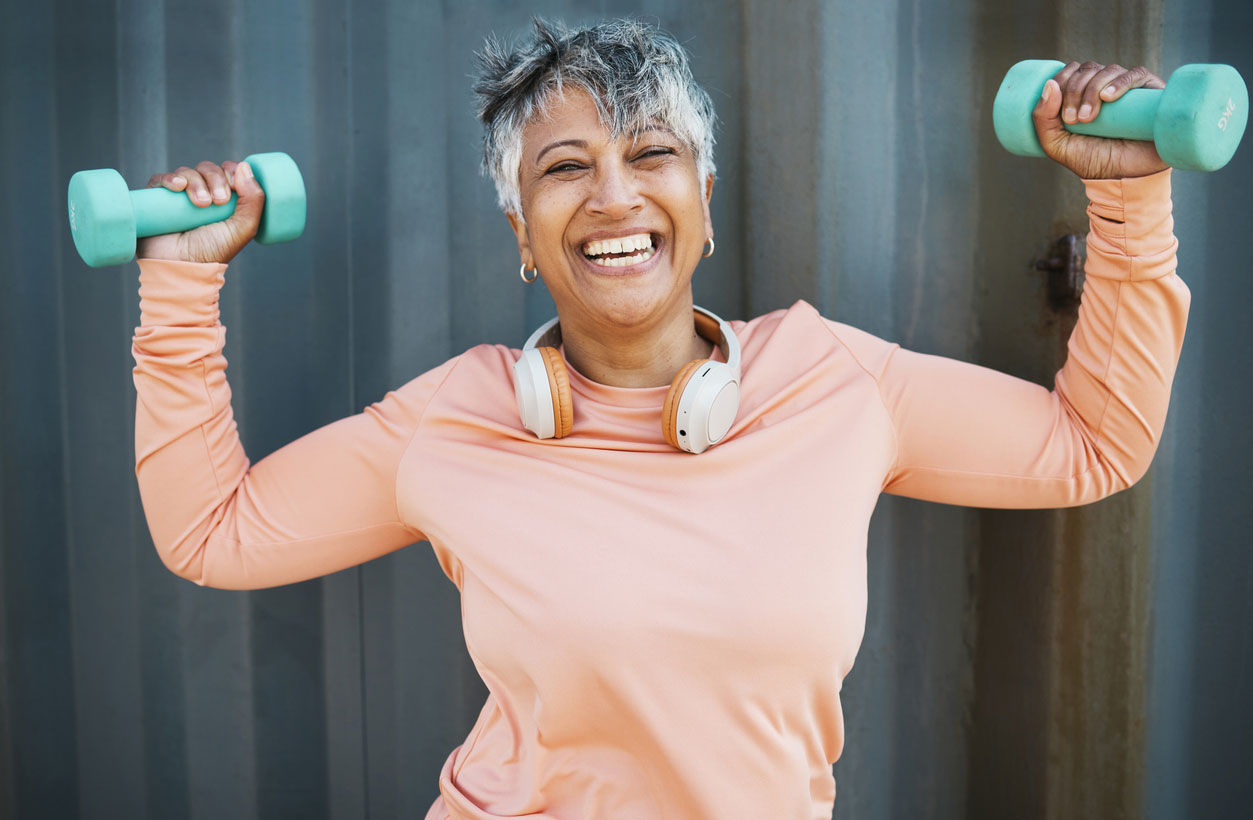
Any exercise that’s weight-bearing—meaning you’re on your feet—helps support bone health. This could be walking, dancing, stair-climbing, or playing pickleball. While exercise doesn’t increase bone mass in older adults, regular physical activity can help improve muscle strength and improve coordination and balance. This helps prevent falling.
Other activities for bone health include strength training or resistance training. Low impact exercise like yoga and Tai Chi are also good options.
HRT for osteoporosis
Hormone replacement therapy, or HRT, can be another tool to prevent osteoporosis. In HRT, doctors prescribe patients estrogen and/or progesterone though pills, skin patches, gels, or sprays. The Food and Drug Administration (FDA) has approved HRT for the following conditions:
- Hot flashes and night sweats
- Prevention of osteoporosis
- Premature menopause (starting before age 40)
- Severe vulvovaginal atrophy (thinning or drying of the vaginal walls)
Other medications approved by the FDA can also help reduce the risk of fractures. You and your health care team can use shared decision making to determine the best course of treatment.
“Studies have shown that HRT is a safe and effective treatment option to prevent osteoporosis for women who are at risk,” says Dr. Chou. “HRT works by restoring estrogen levels, which supports bone health and prevents bone loss. Women on HRT are less likely to experience bone fractures as a result.”
Osteoporosis screening and treatment
Speak to your care team if you experience a fracture about whether you should be screened for low bone density. By getting early treatment, you can prevent fractures and maintain your independence. Your provider may screen you for osteoporosis and ask questions like:
- Do you have a family history of osteoporosis?
- Did you go through early menopause, or are you experiencing menopause symptoms?
- Have you had any recent bone fractures or falls?
- Were you on a medication that can cause bone loss?
“Ultimately, while osteoporosis is an aging process, it is treatable,” says Dr. Chou. “Your health care team can help you slow or stop bone loss with the right lifestyle changes, like nutrition and exercise, and reduce your fracture risk with medications like HRT or other treatments.”